220,00 €
Rapid, trackable and secure delivery options to your doorstep worldwide.
Secure redirect payment via Worldline® and Eurobank S.A®
Payment options:
• Easy and simple, within 14 days of delivery.
• See conditions and procedure in Rescission & Returns.
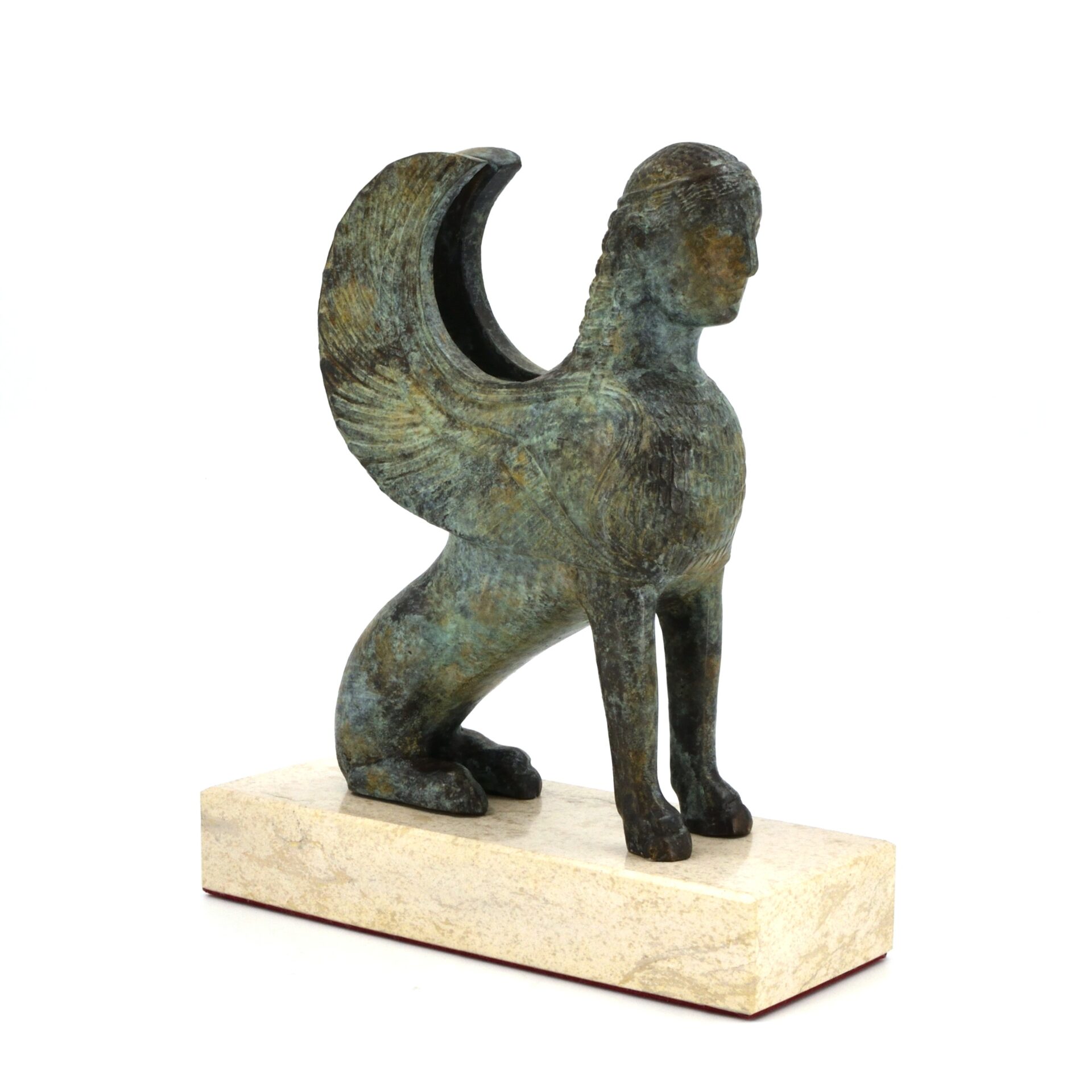
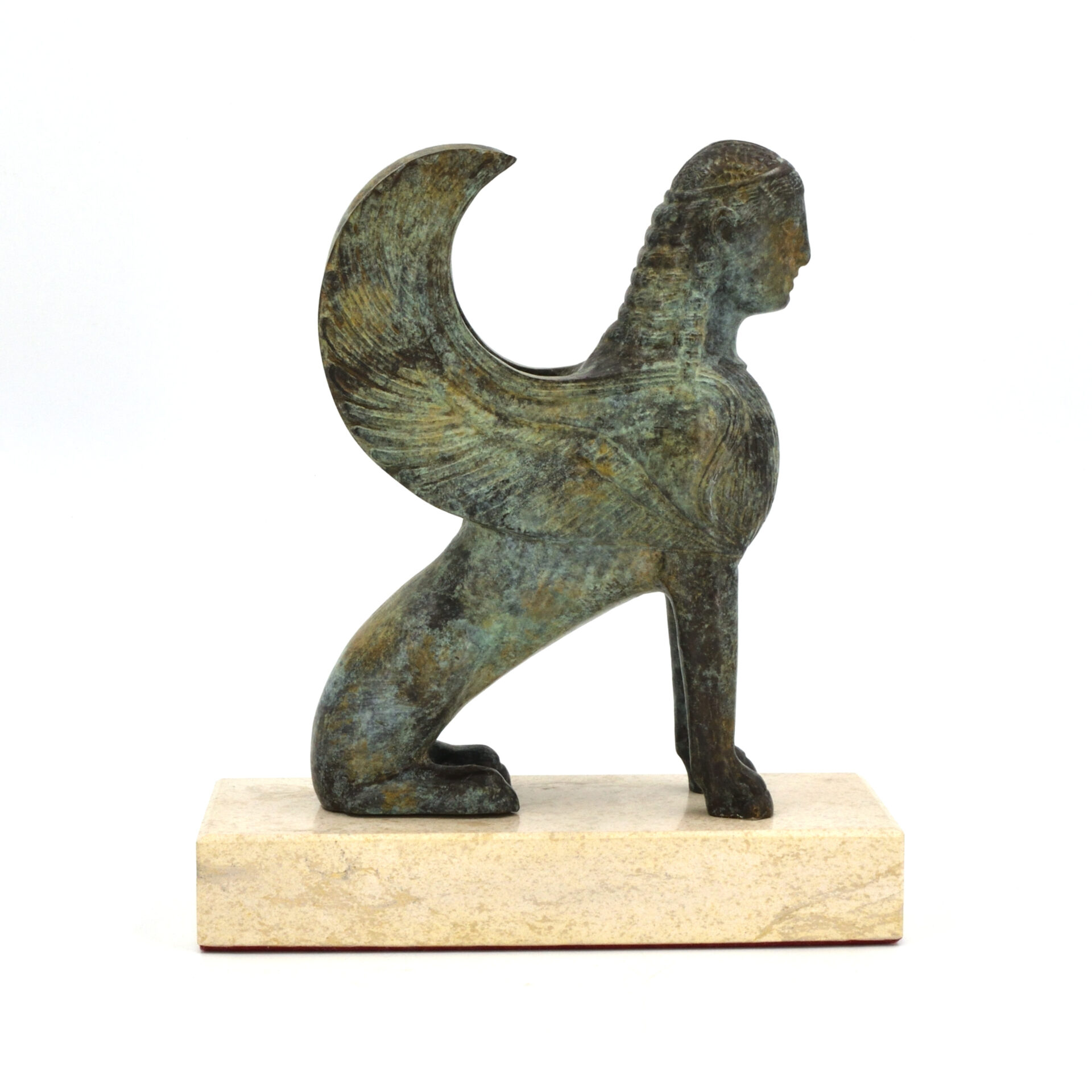
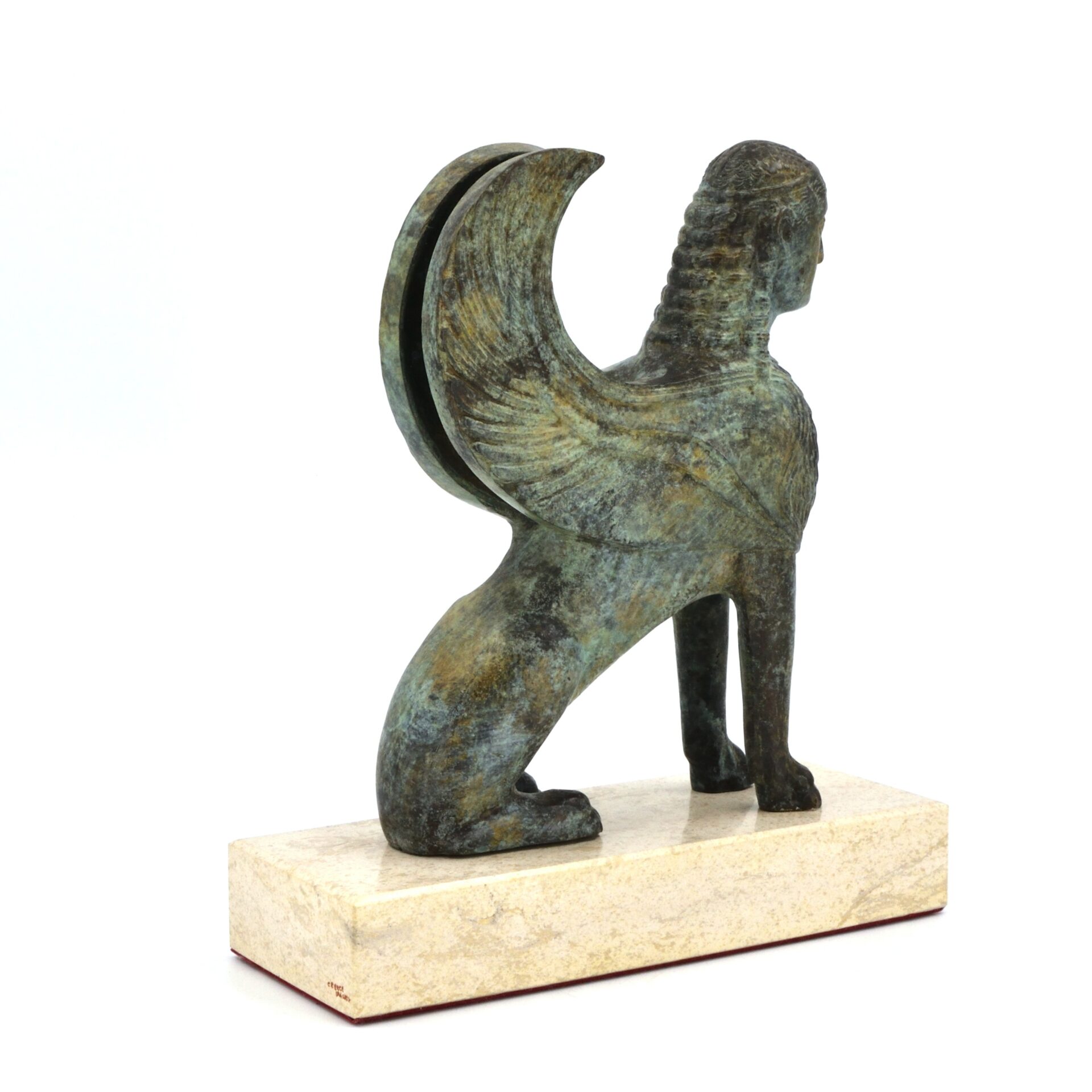
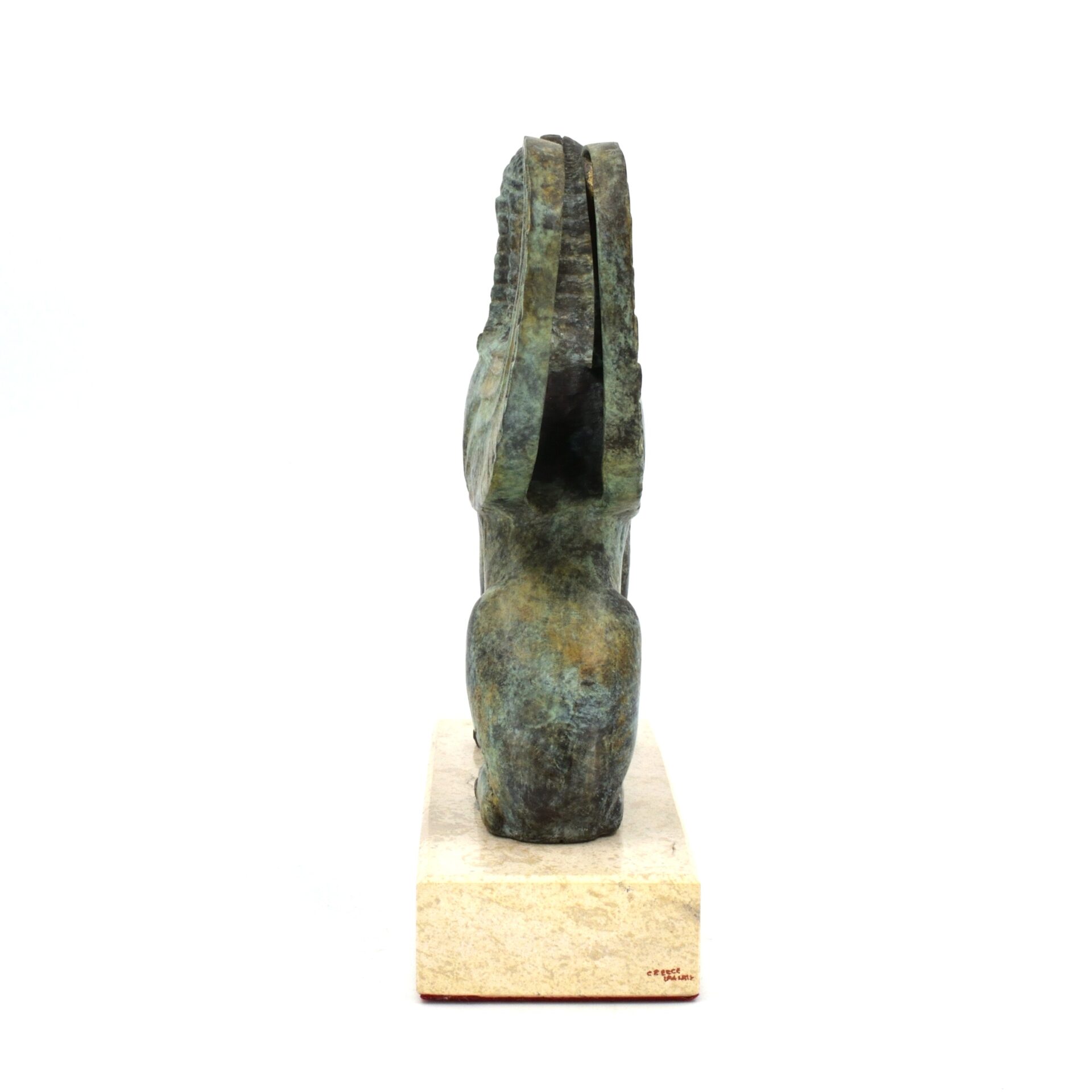
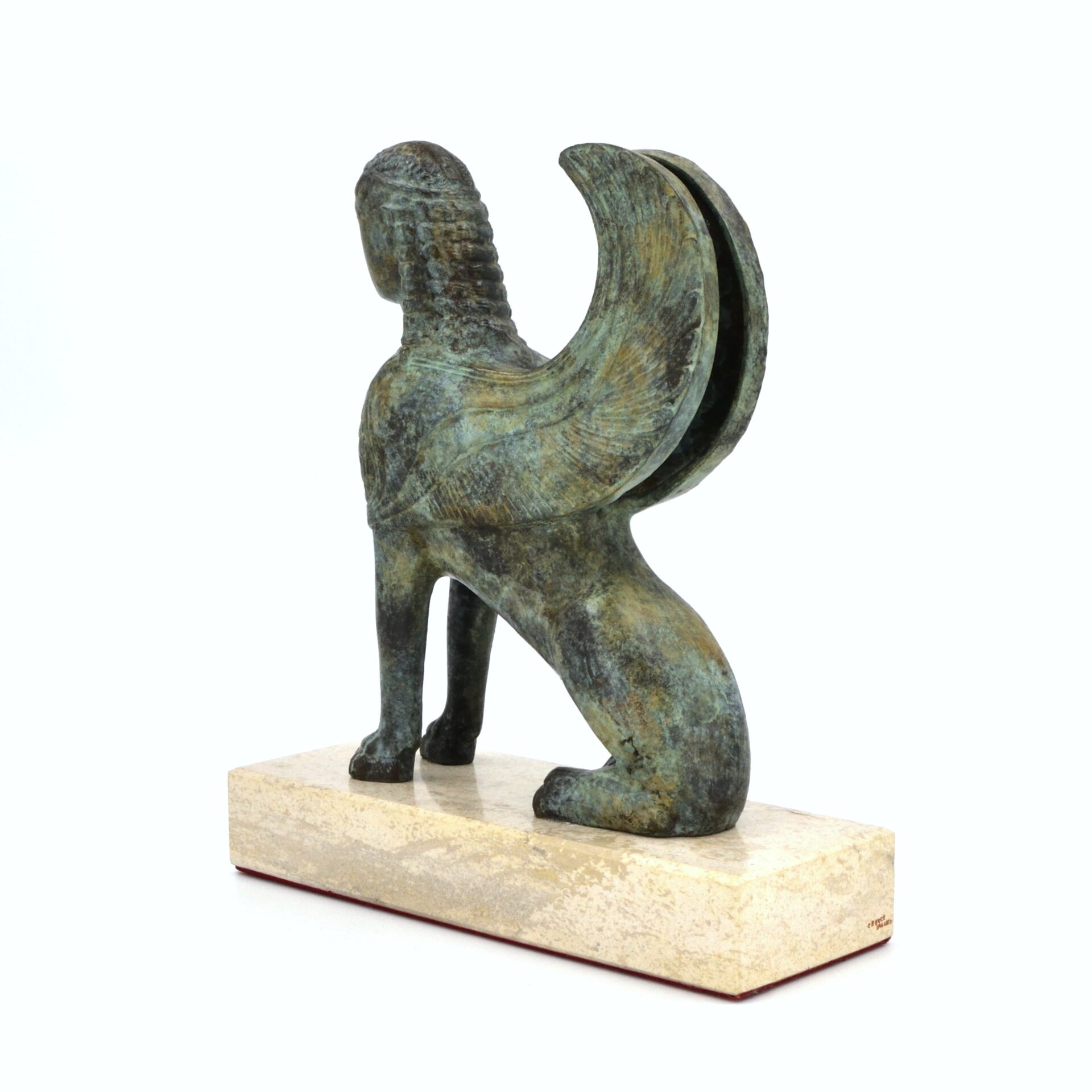
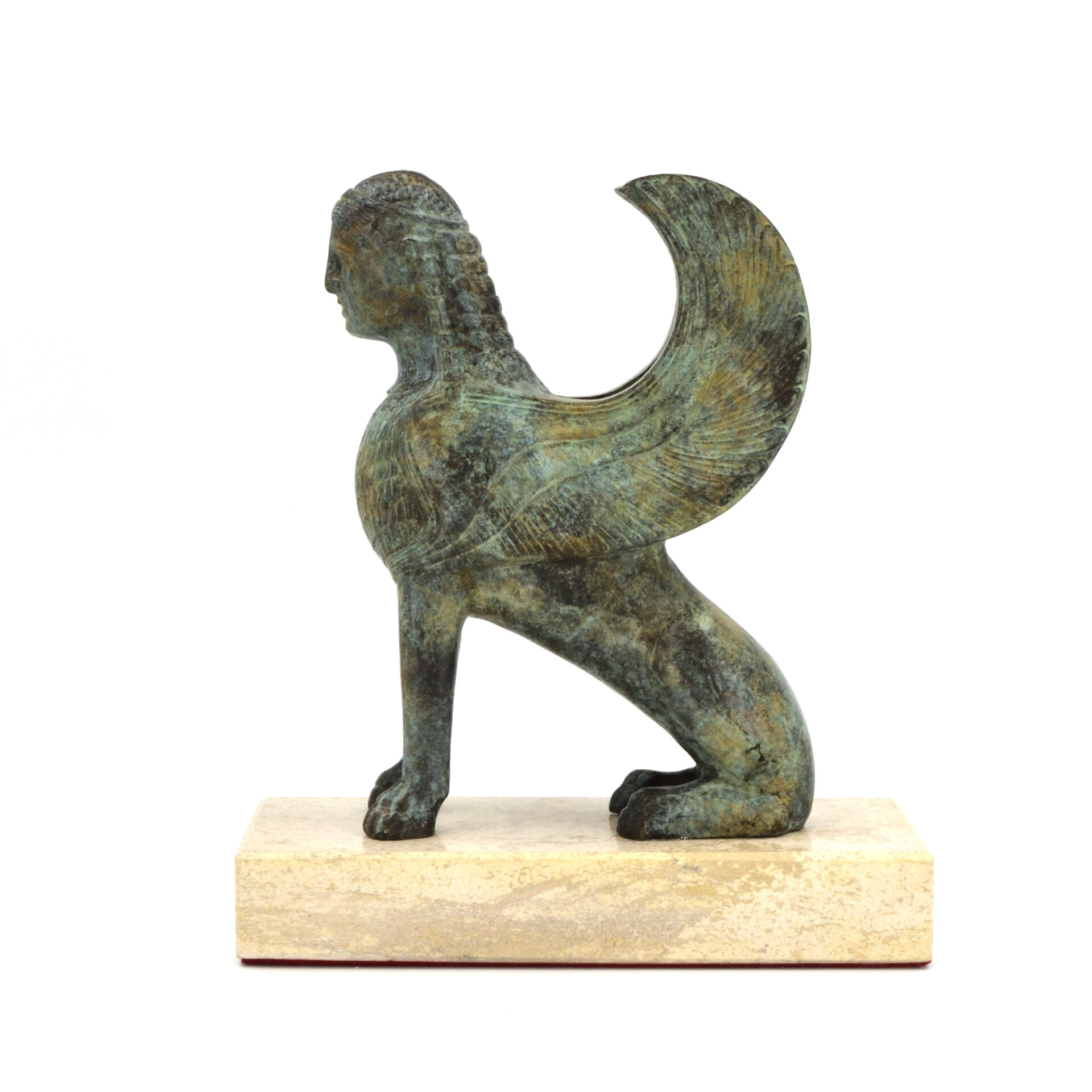
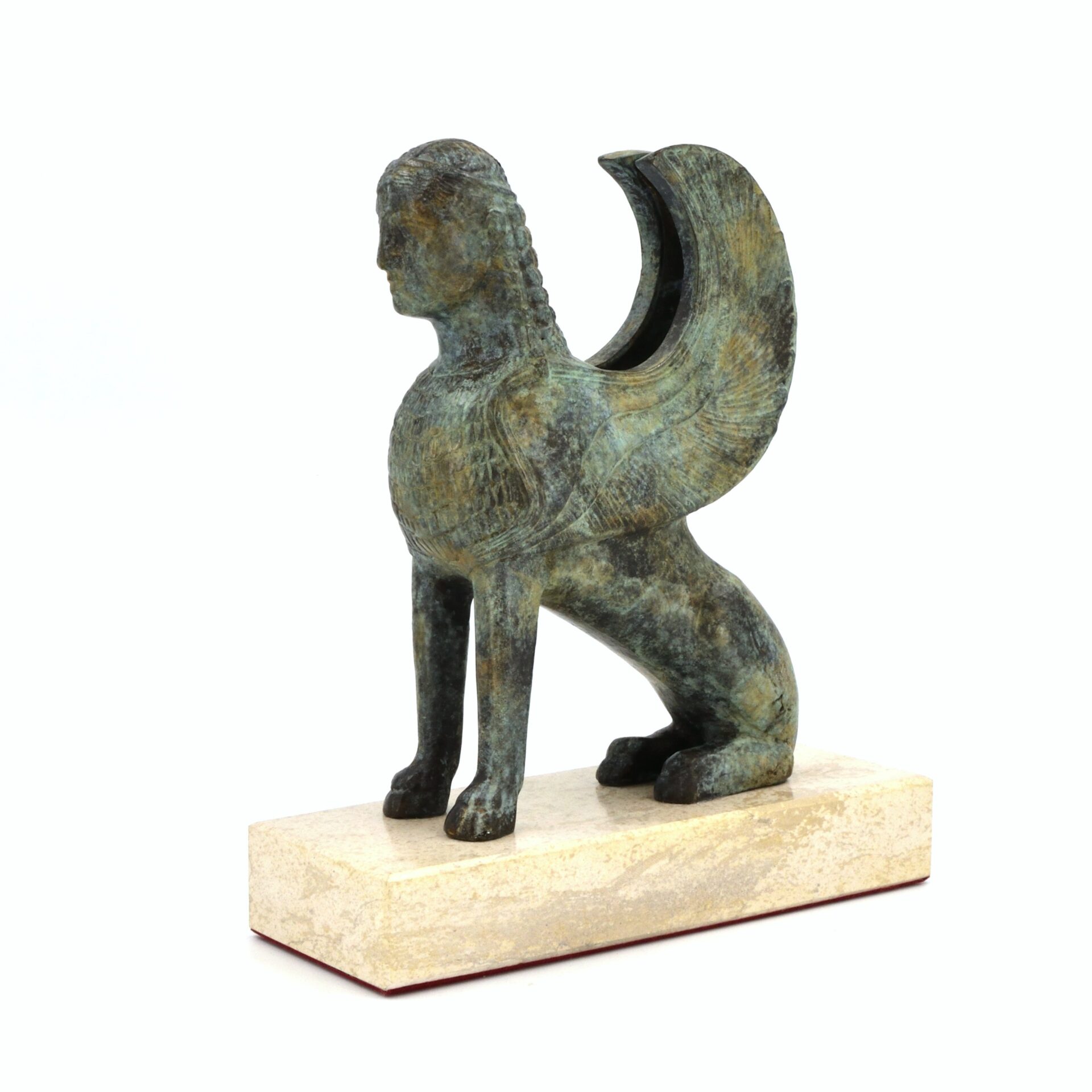
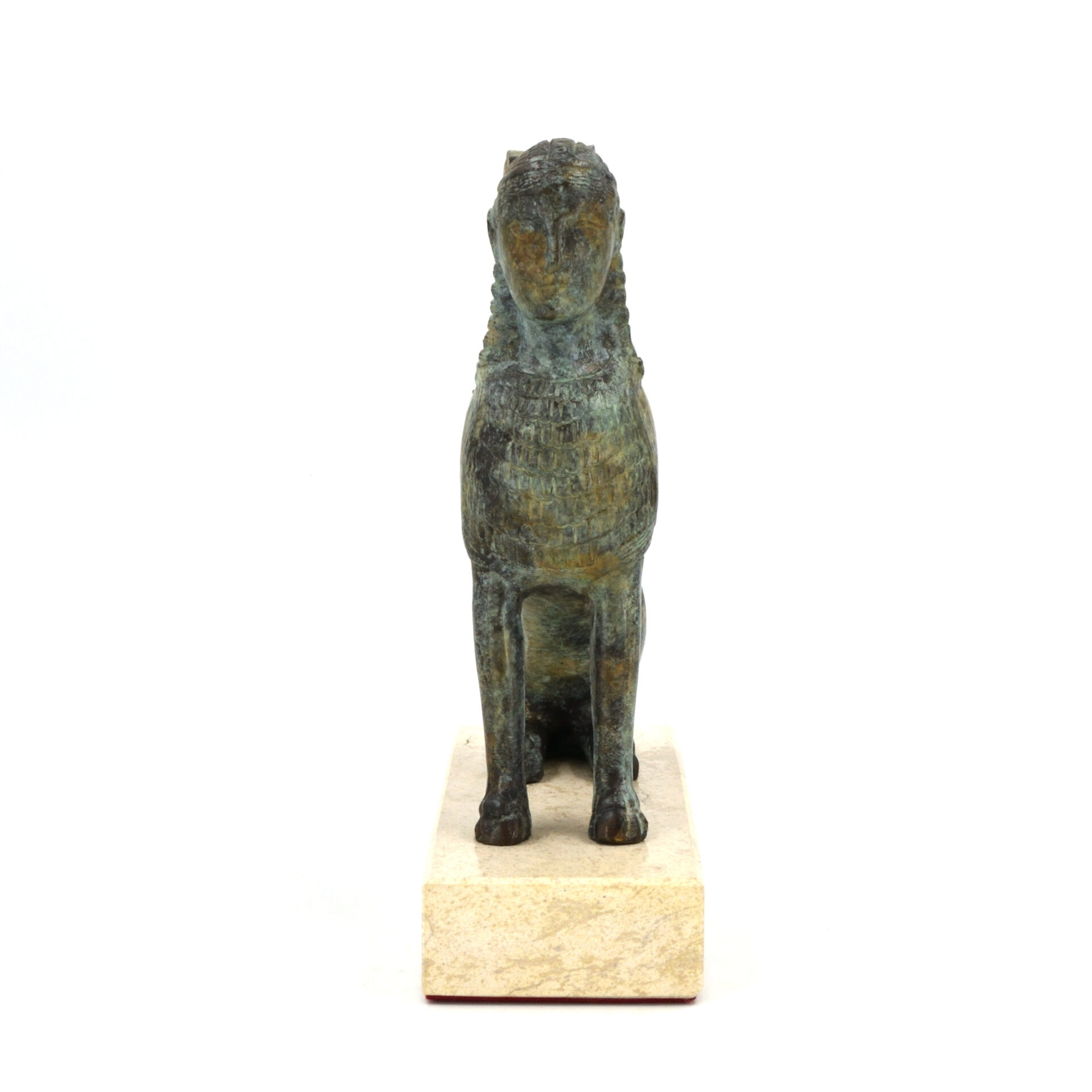
This sculpture reproduces the famous Sphinx of the Naxians, one of the most iconic votive monuments of Archaic Greece. The original was dedicated around 560 BCE by the island city of Naxos at the Sanctuary of Apollo at Delphi, the spiritual center of the Greek world. It once stood atop a tall Ionic column near the Sacred Way, asserting both religious devotion and political prestige.
The sphinx—combining the body of a lion, wings of an eagle, and head of a woman—served as a protective guardian, symbolizing divine power, vigilance, and mystery. In the Delphic context, it functioned as a sacred sentinel watching over the oracle of Apollo and those who approached it.
Created during the Archaic period, the original reflects early Greek experimentation with monumental scale, stylized anatomy, and symbolic form. Such votive sculptures were produced in the Cyclades and dedicated at major sanctuaries, reinforcing regional identity within Panhellenic religious spaces.
SIZE: 20,5 cm
MATERIAL: bronze
PATINA: rust green oxidatiom
METHOD: sand cast