150,00 €
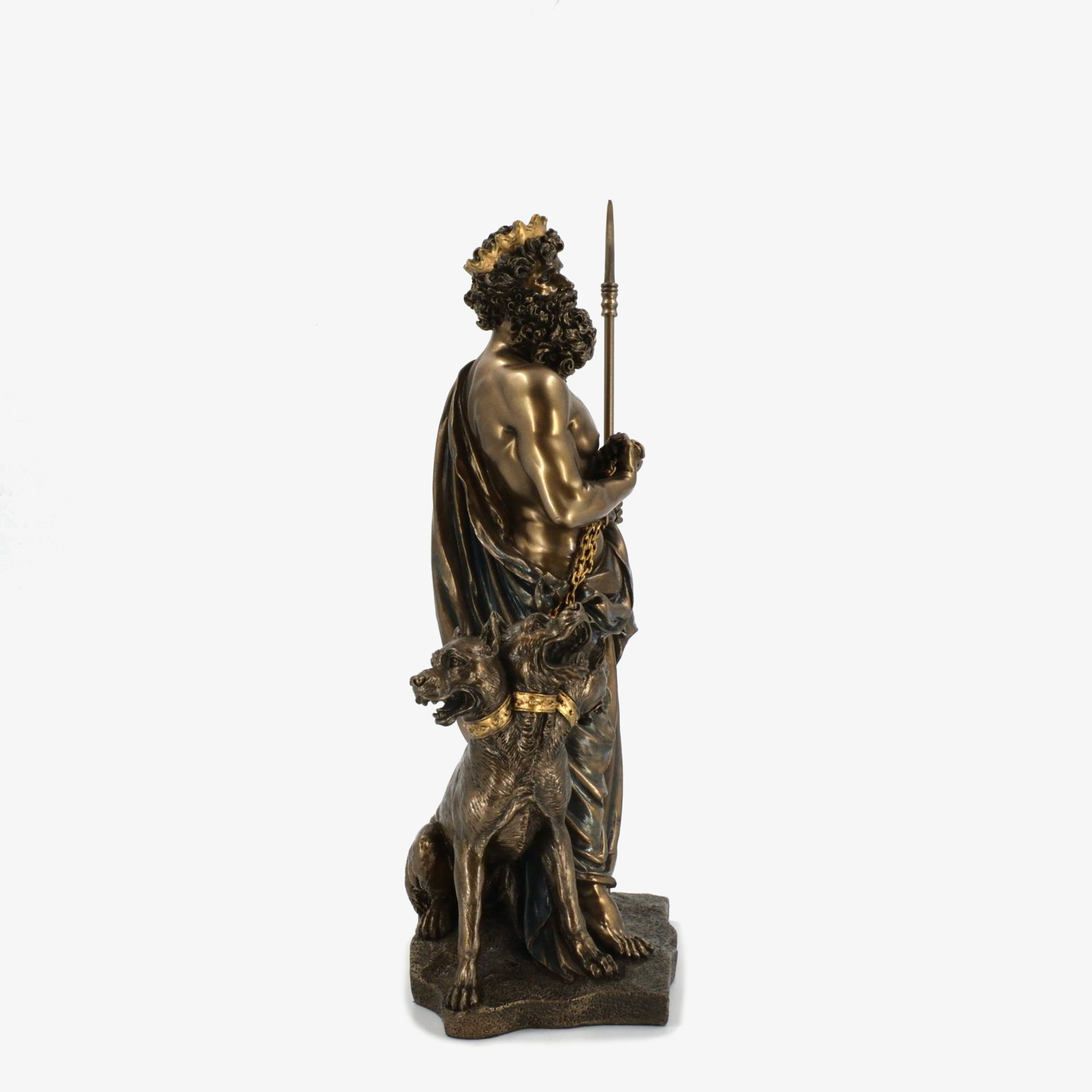
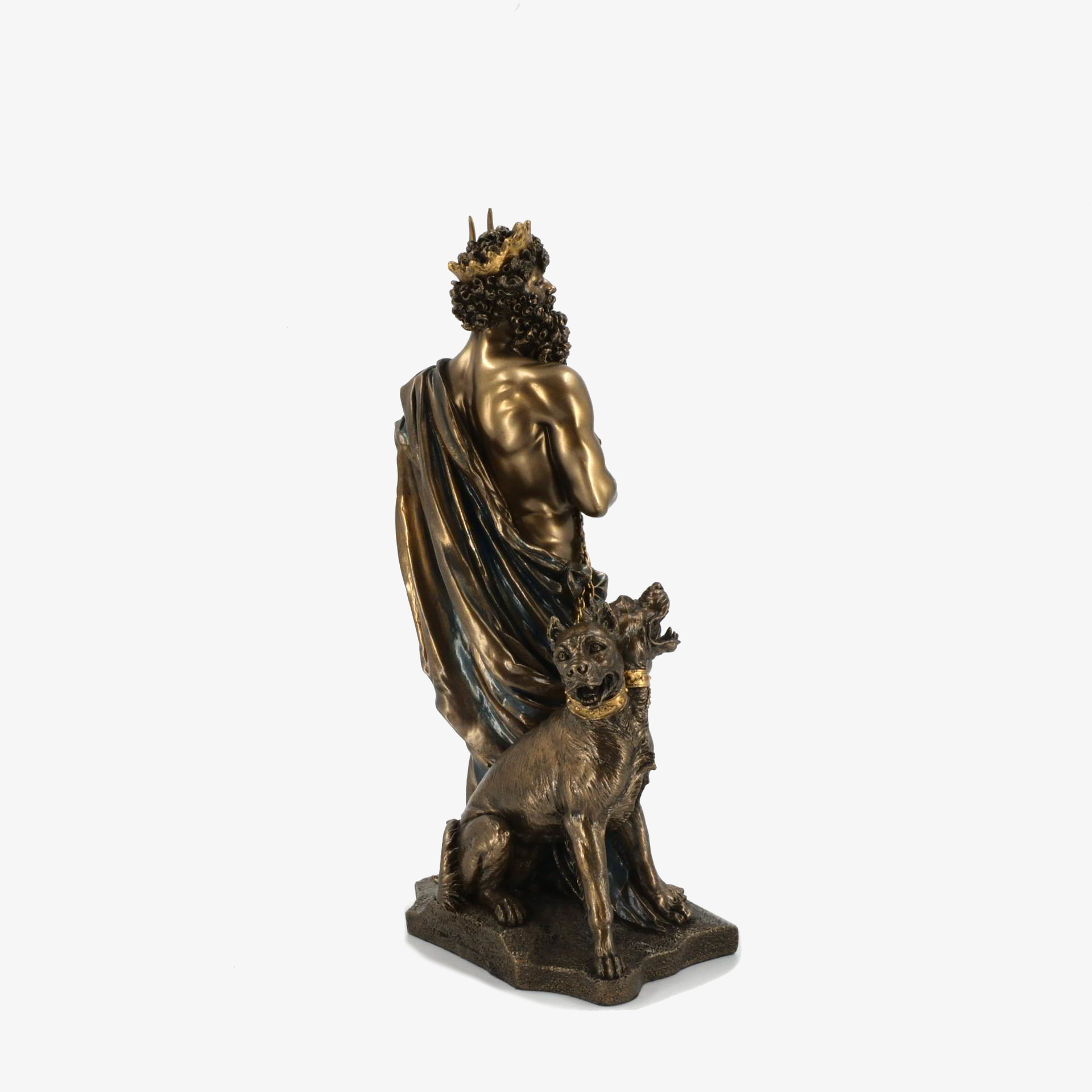
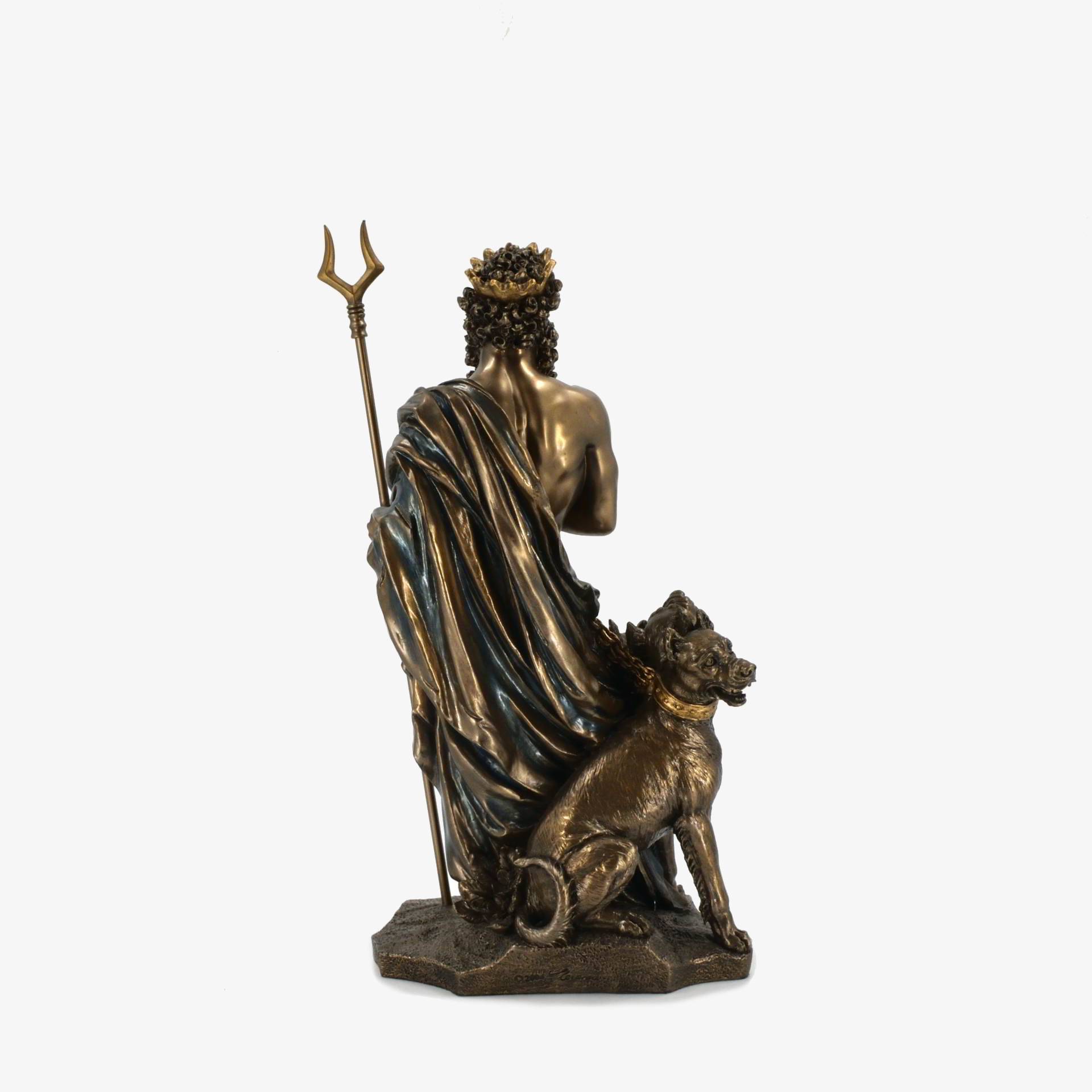
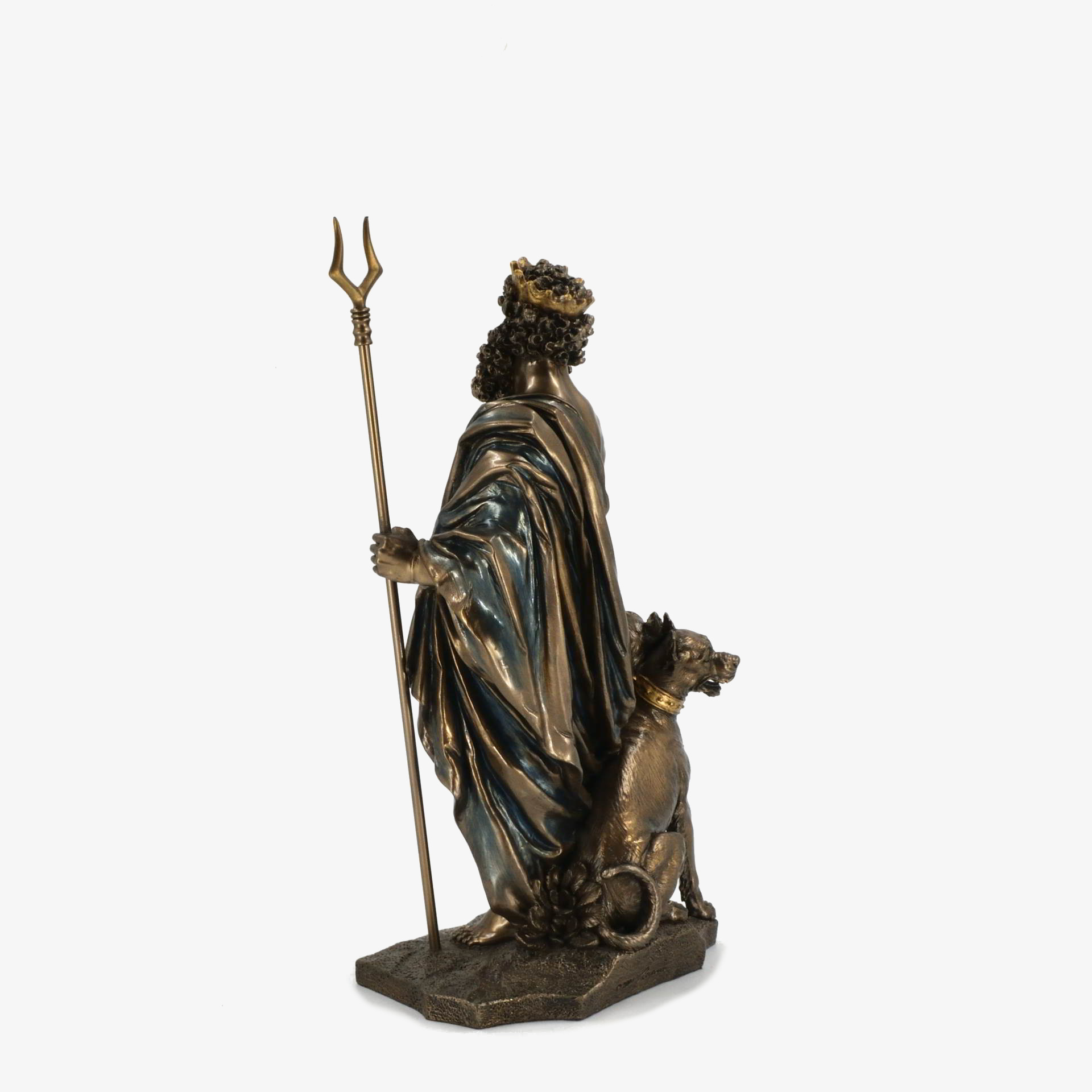
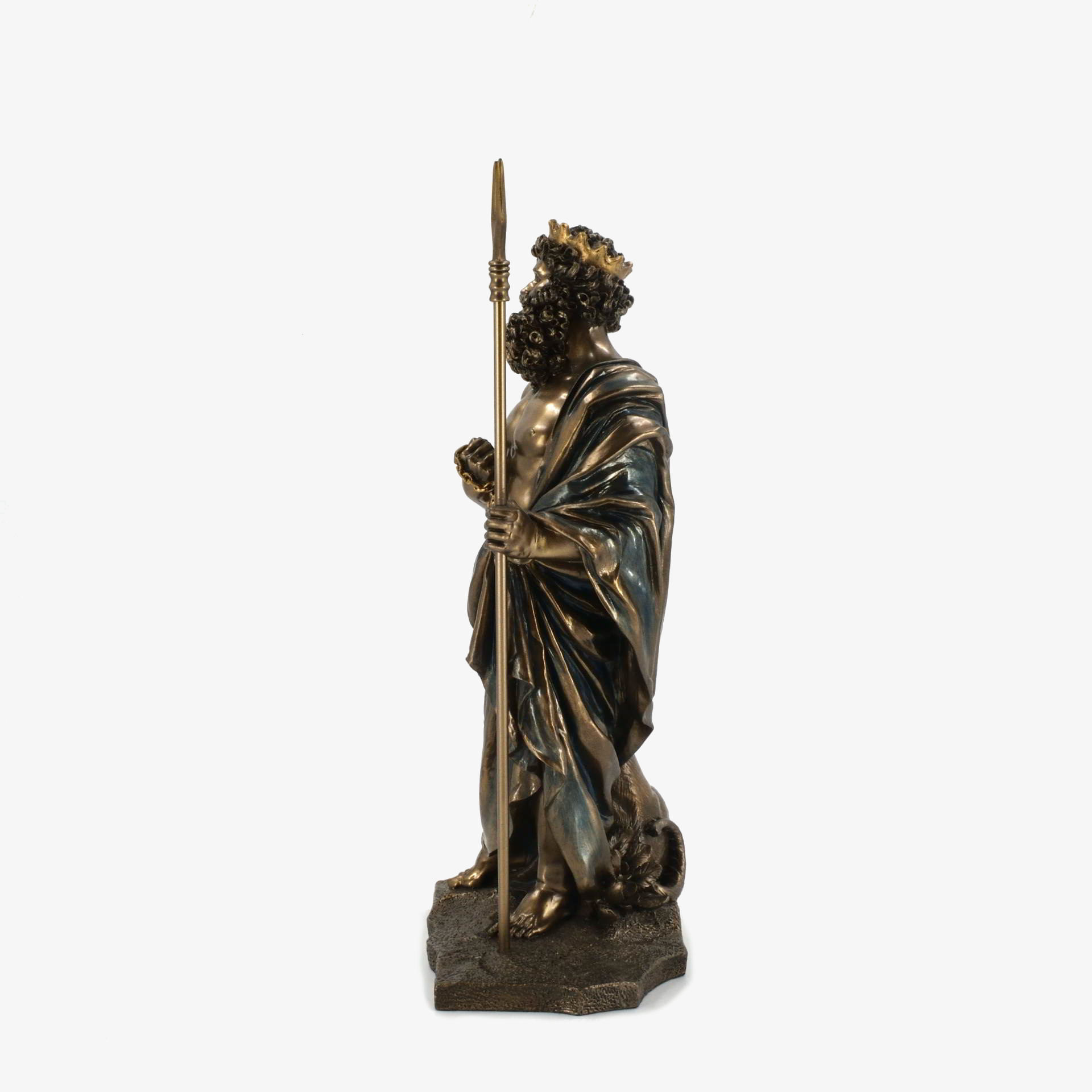
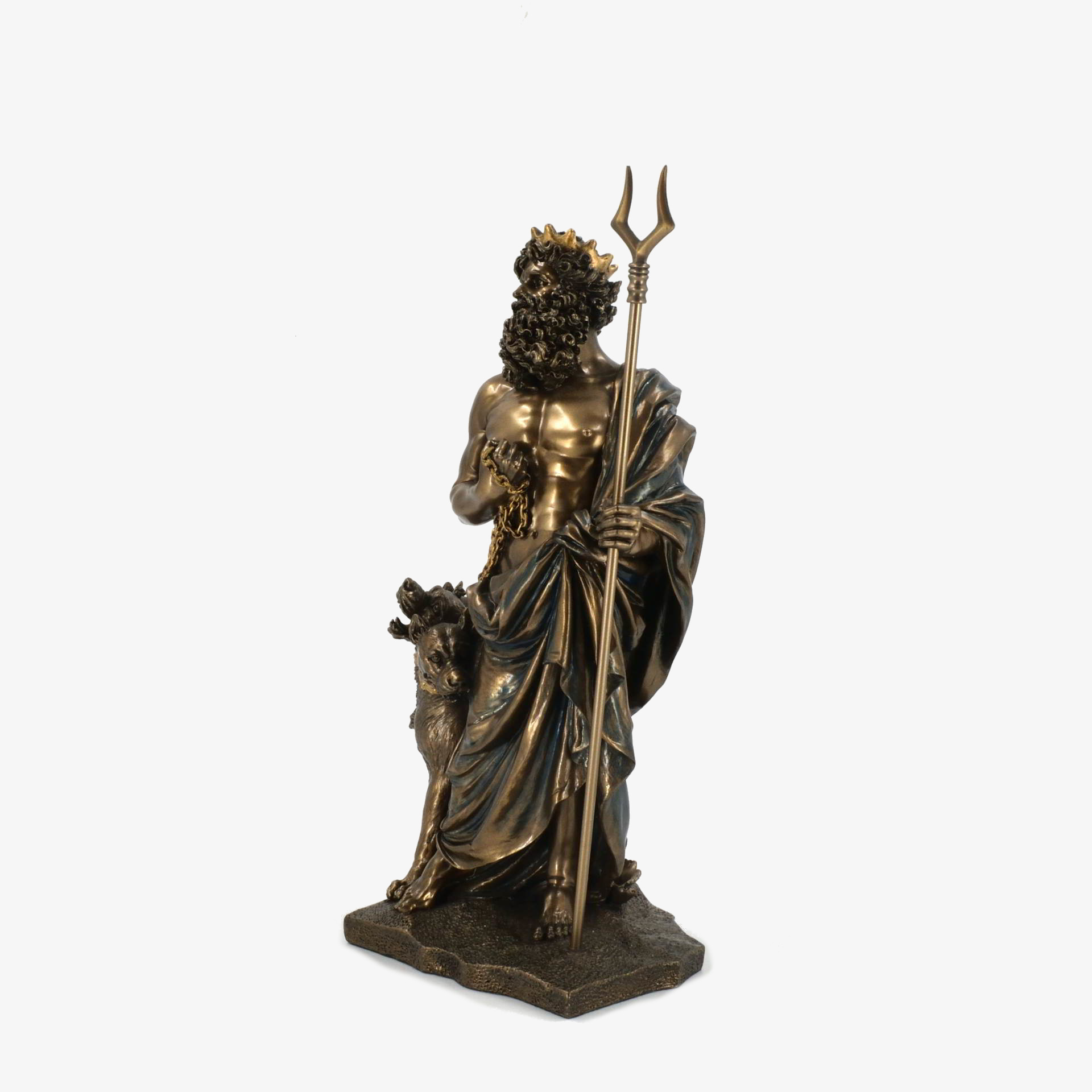
A finely detailed bonded bronze replica of the classical figure “Pluto (Hades) and Cerberus”.
Read moreRapid, trackable and secure delivery options to your doorstep worldwide.
Secure redirect payment via Worldline® and Eurobank S.A®
Payment options:
• Easy and simple, within 14 days of delivery.
• See conditions and procedure in Rescission & Returns.
This bonded bronze statue is a finely detailed replica of the classical figure “Pluto and Cerberus” — a representation of Hades (also called Pluto in Roman tradition), the ancient Greek god of the underworld. At his side is Cerberus, the three-headed hound tasked with guarding the gates of the underworld.
The statue is a faithful copy of the famous original sculpture attributed to the Hellenistic period and known through Roman marble versions. One of the most celebrated versions — often titled Pluto — resides in the Archaeological Museum of Naples, Italy, and was discovered in the ruins of ancient Roman villas in the area. This bonded bronze version captures the dramatic presence and mythic power of Hades, evoking the ancient stories of his realm, his dominion over the dead, and his rarely depicted, somber majesty among the Olympian gods.
Hades, ruler of the underworld, was one of the three sons of the Titans Cronus and Rhea, alongside Zeus and Poseidon. After the defeat of the Titans, the world was divided by lot, and Hades was granted dominion over the realm of the dead. Though often feared, Hades was not a god of evil, but of order, ensuring balance between the living and the deceased. At his side stood Cerberus, the fearsome three-headed hound born of the monster Echidna and the giant Typhon. Cerberus guarded the gates of the underworld, preventing the dead from escaping and the living from entering without permission. Together, Hades and Cerberus symbolize authority, inevitability, and the unbreakable boundary between life and death, embodying the ancient Greek understanding of mortality and cosmic order.
DIMENSIONS: 10 x 15 x 28 cm
MATERIAL: polyresin
METHOD: molded
PATINA: cold cast bronze
Secure molded styrofoam packaging