100,00 €
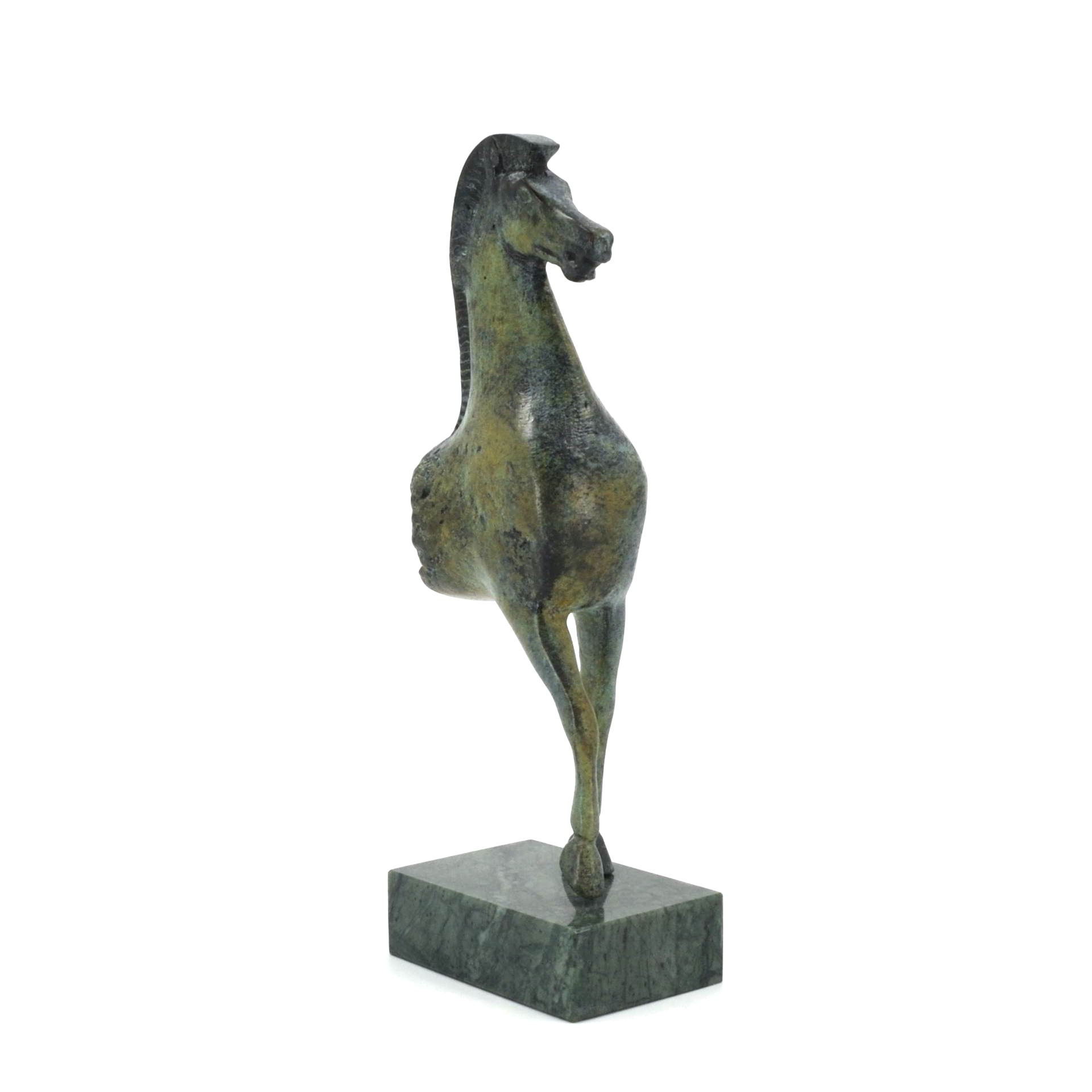
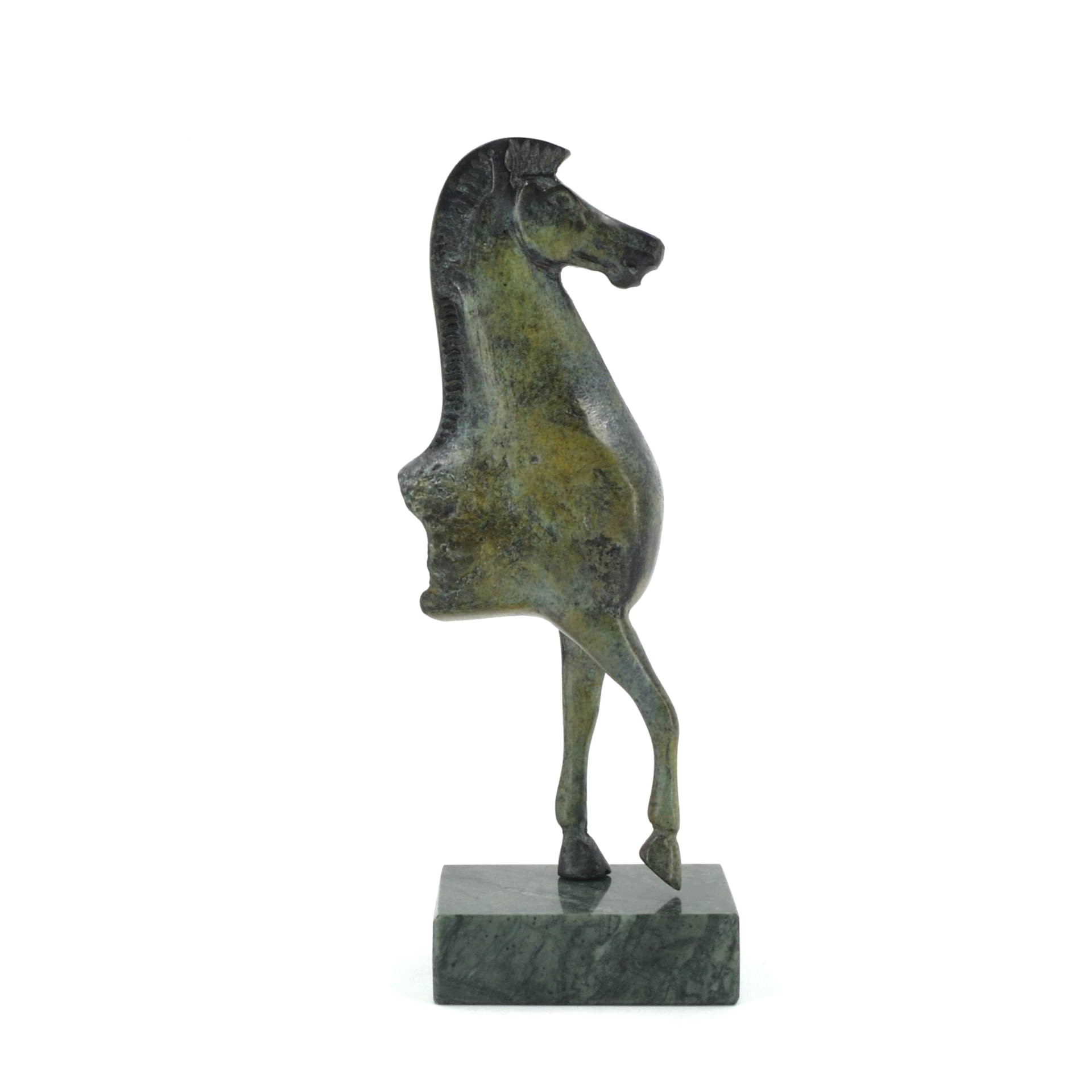
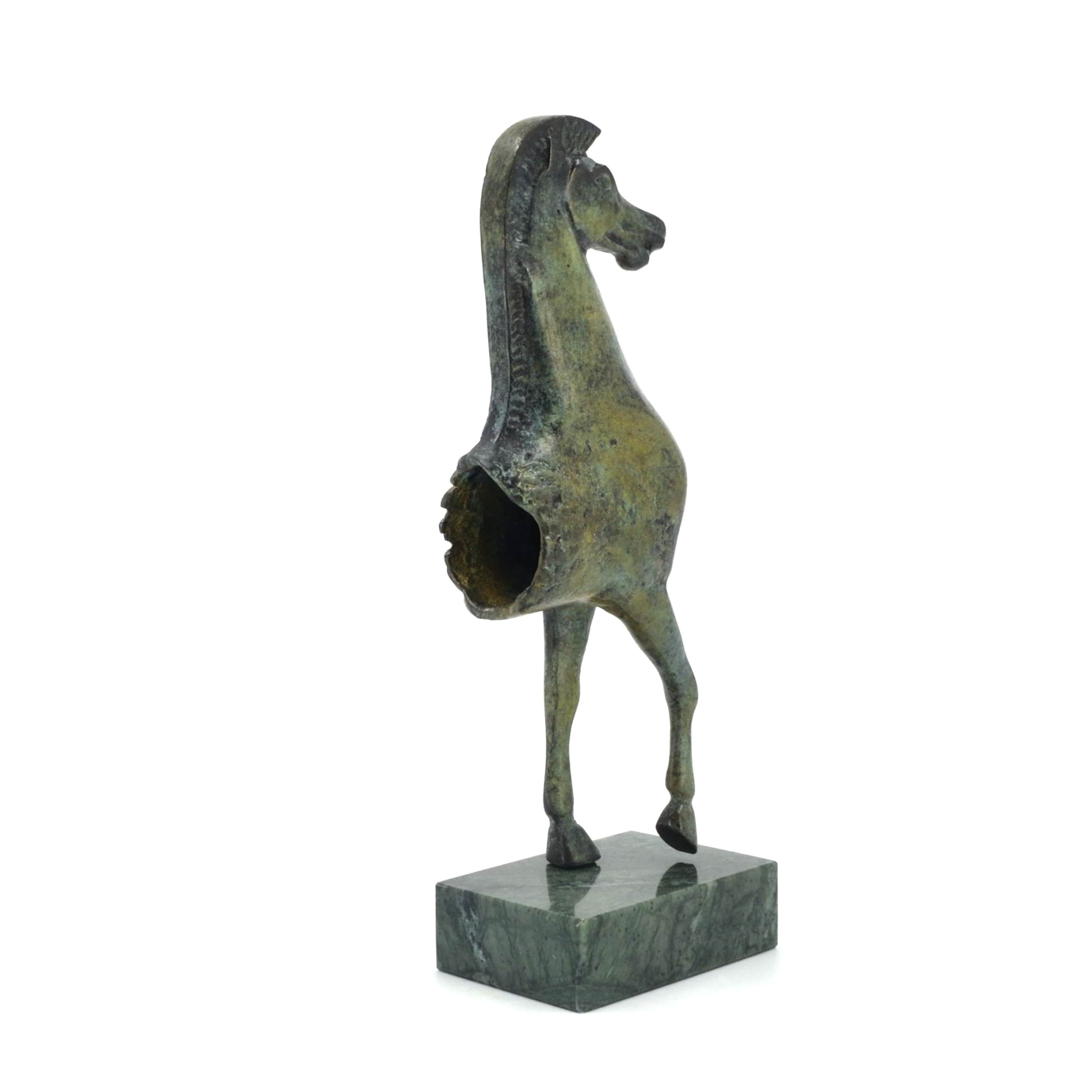
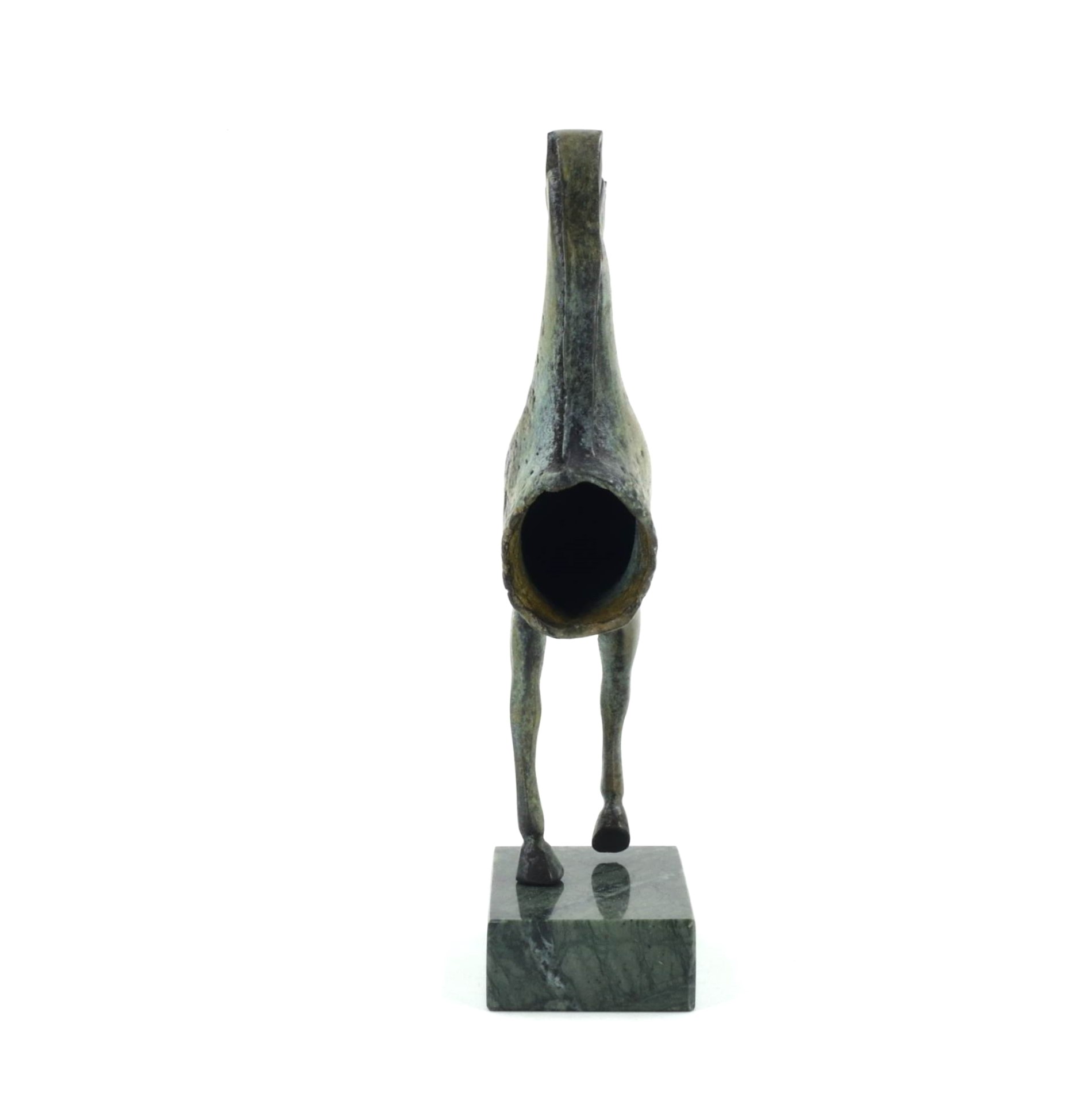
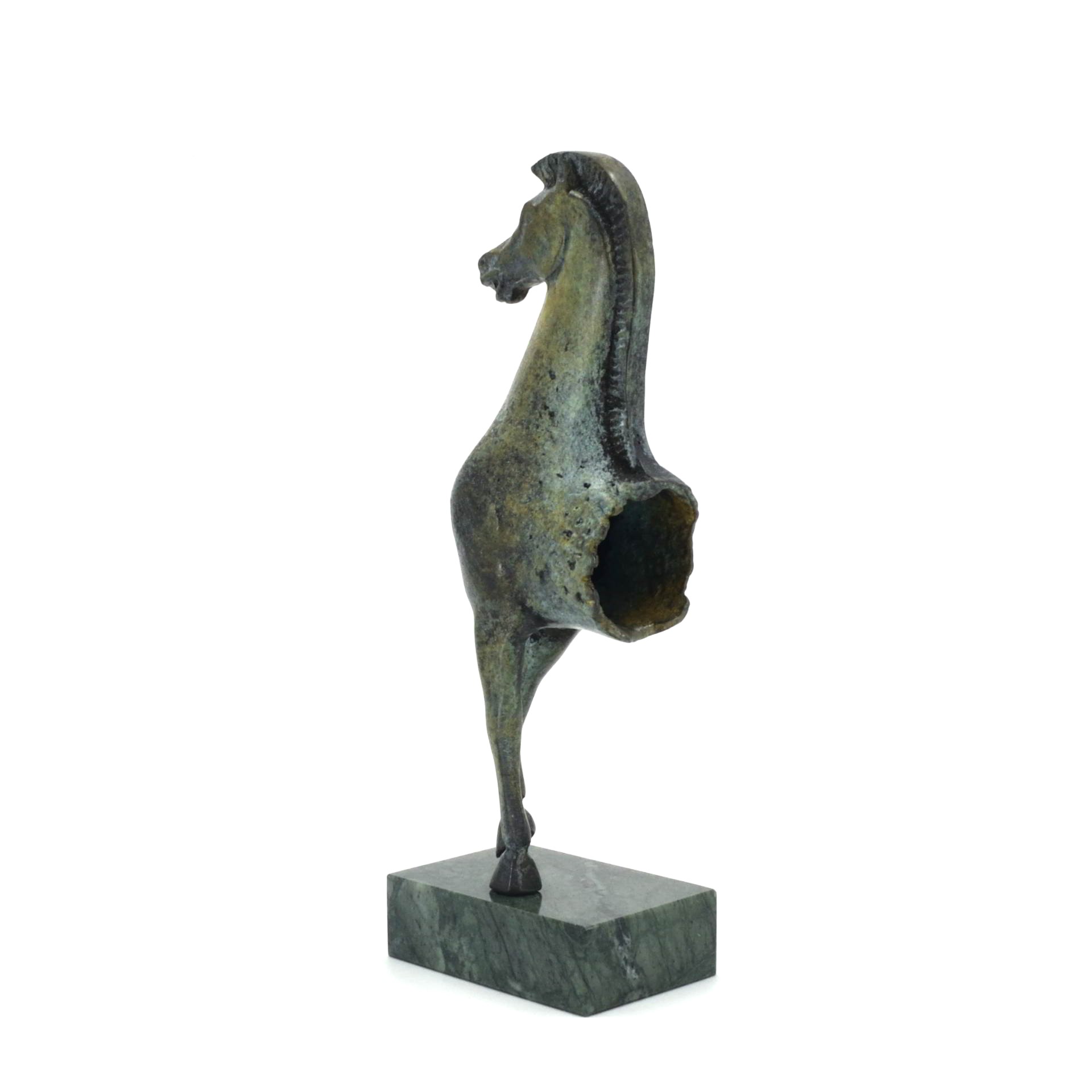
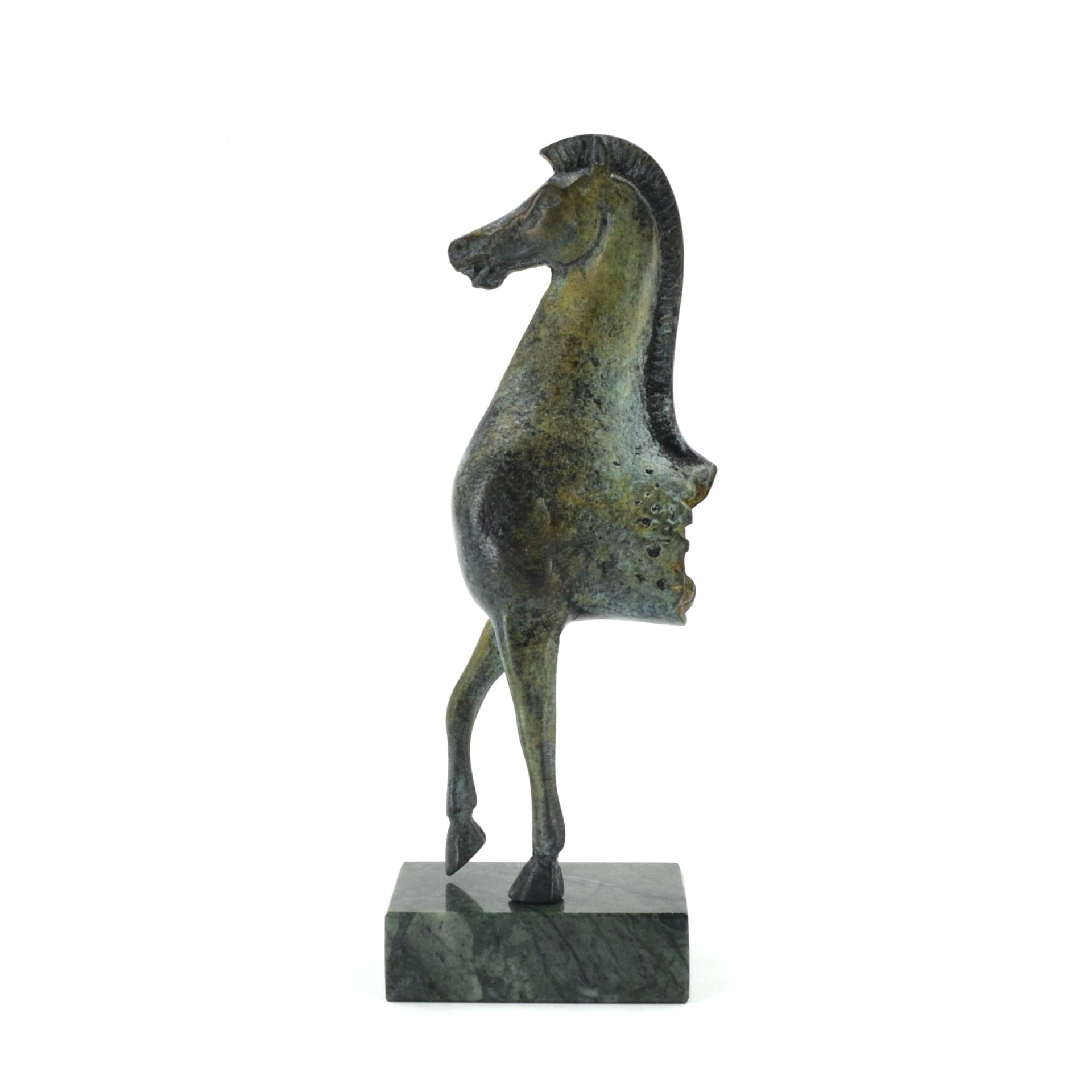
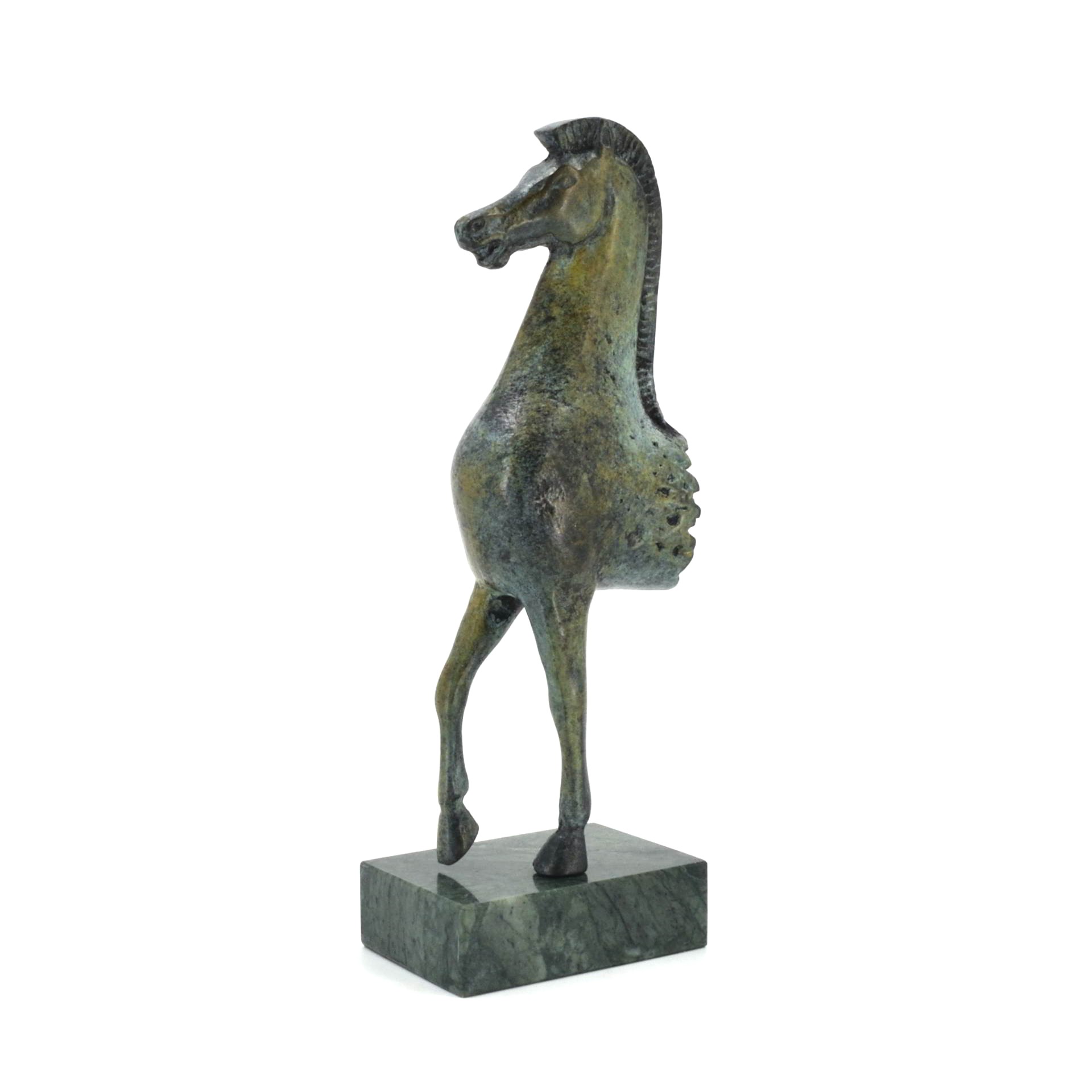
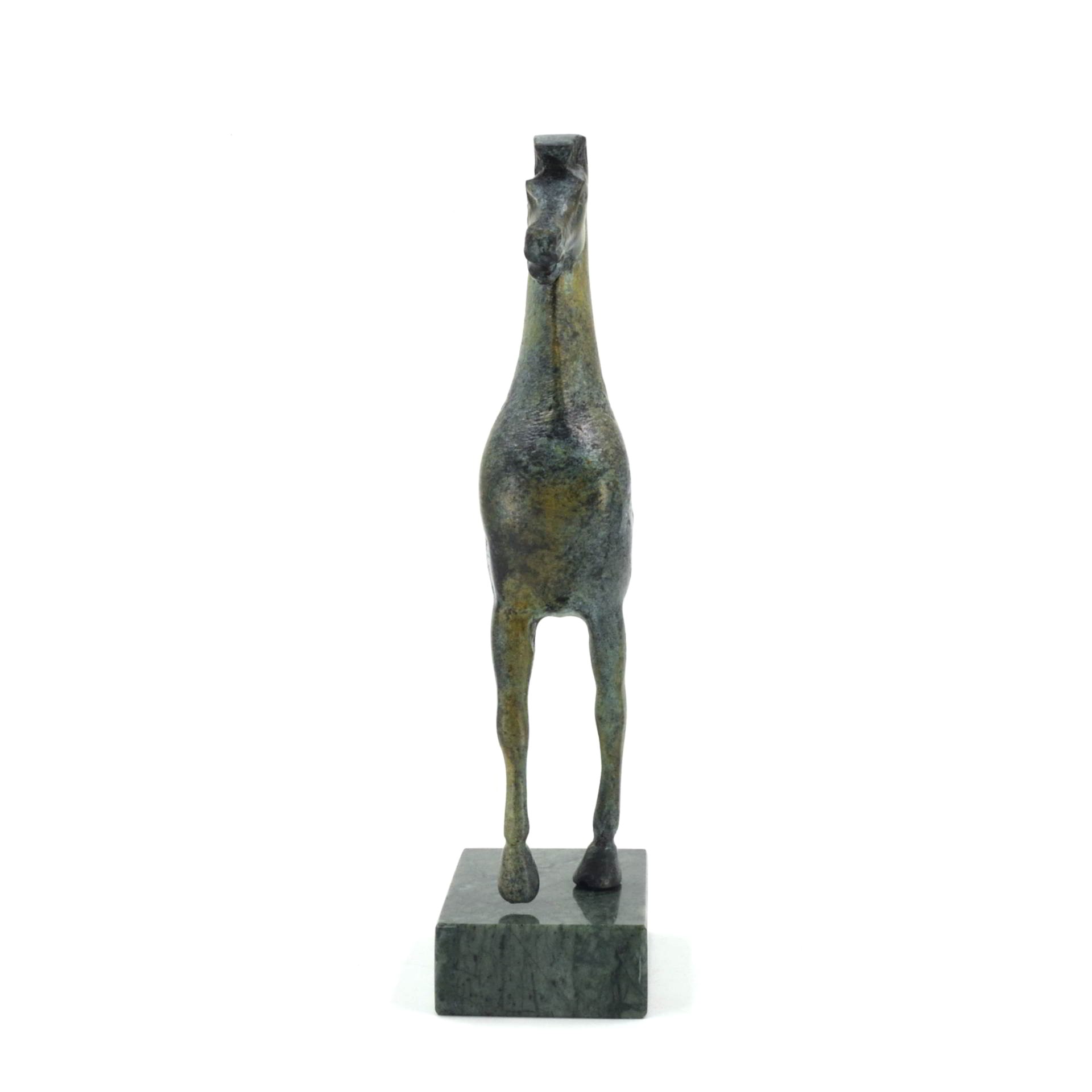
An Archaic-period votive horse figurine based on an original from the Acropolis Museum in Athens.
Read moreRapid, trackable and secure delivery options to your doorstep worldwide.
Secure redirect payment via Worldline® and Eurobank S.A®
Payment options:
• Easy and simple, within 14 days of delivery.
• See conditions and procedure in Rescission & Returns.
The original horse figurine reproduced here is preserved today in the Acropolis Museum in Athens and dates to the Archaic period, around the 6th century BCE. Bronze horse figures of this type were commonly dedicated at major sanctuaries, including the Acropolis, as offerings to the gods by elite individuals. Their presence reflects both religious devotion and social status, as horses were closely associated with wealth, aristocratic identity, and martial excellence.
The work is attributed to an Attic workshop, though the individual artist remains unknown, as is typical for small-scale bronzes of this era. The stylized anatomy, elongated legs, and controlled stance exemplify Archaic sculptural conventions, balancing abstraction with an emerging interest in natural movement.
Such figurines were not toys or decorative objects but votive offerings, intended to stand in sacred spaces as lasting symbols of piety and prestige. The horse represented is a noble riding horse, likely a stallion, emphasizing strength, discipline, and elite status within early Athenian society.
SIZE: 18 cm
MATERIAL: bronze
PATINA: rust green oxidatiom
METHOD: sand cast