195,00 €
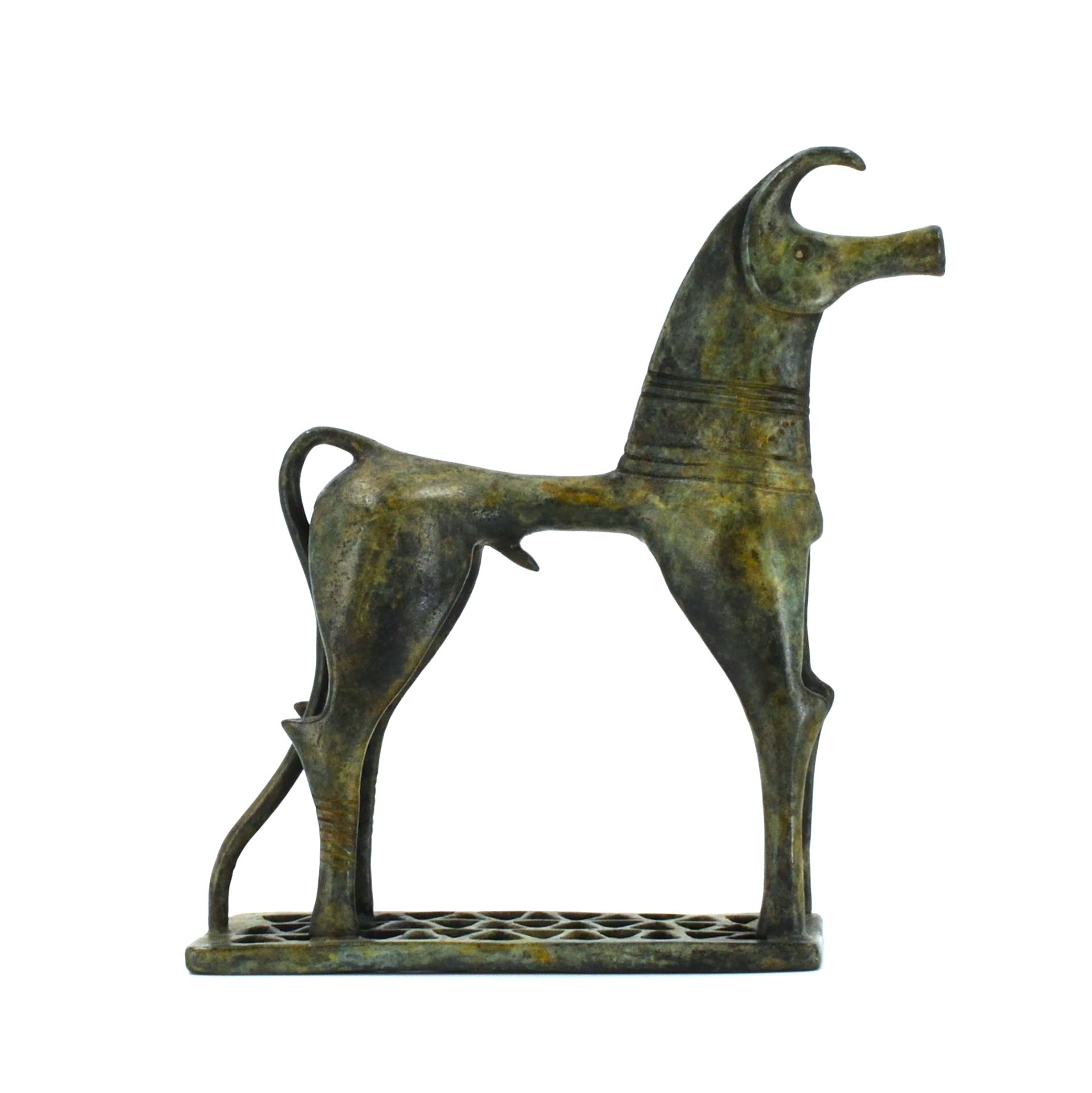
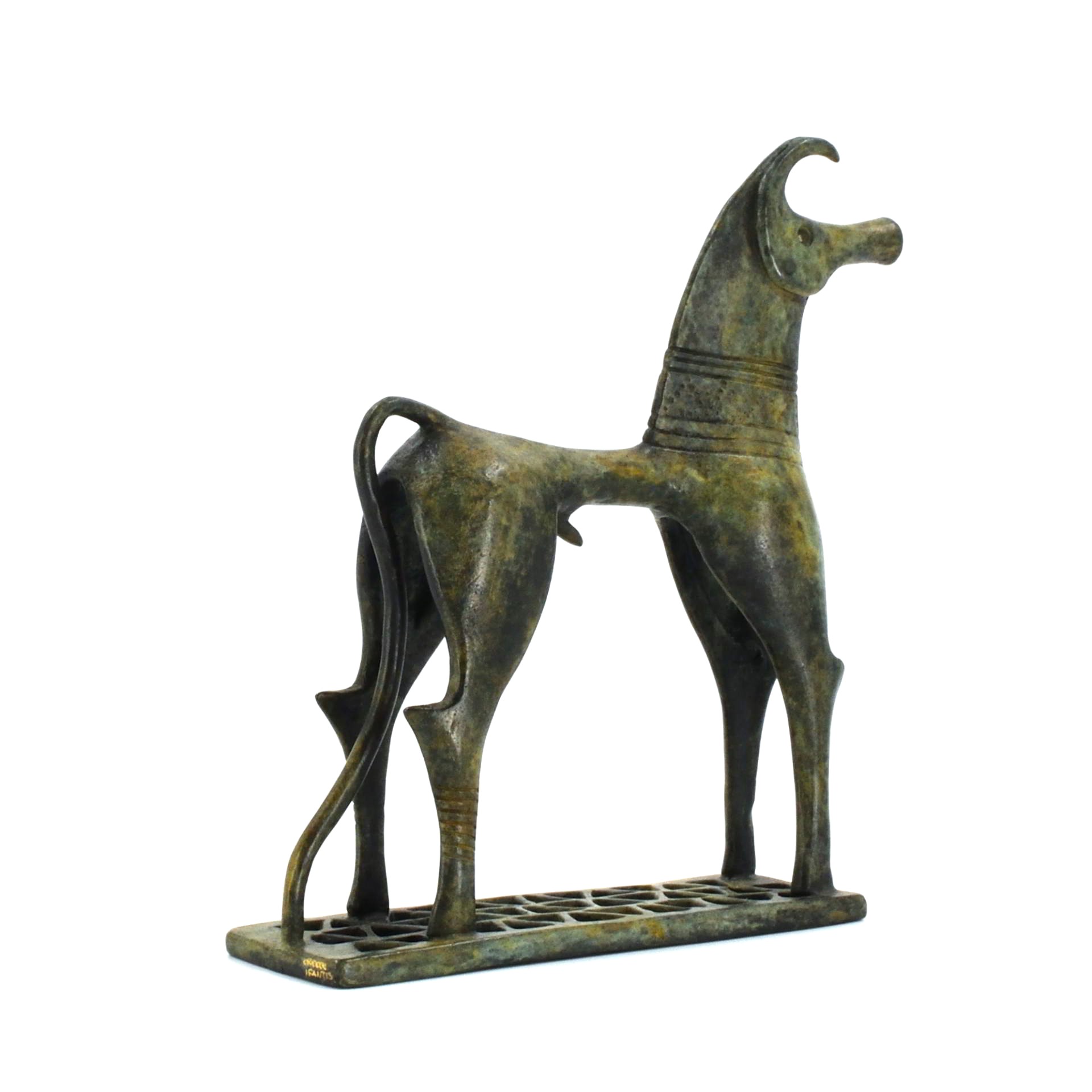
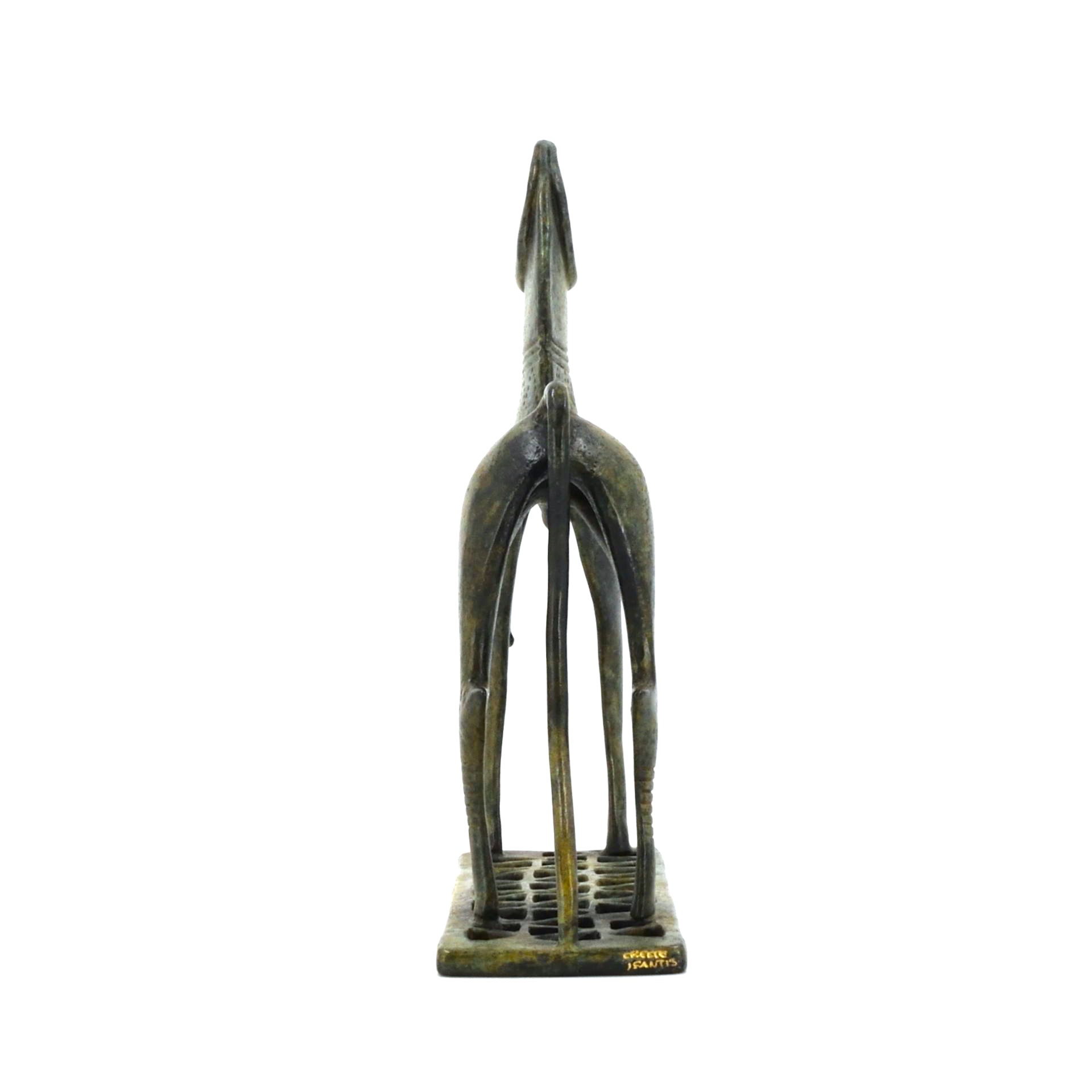
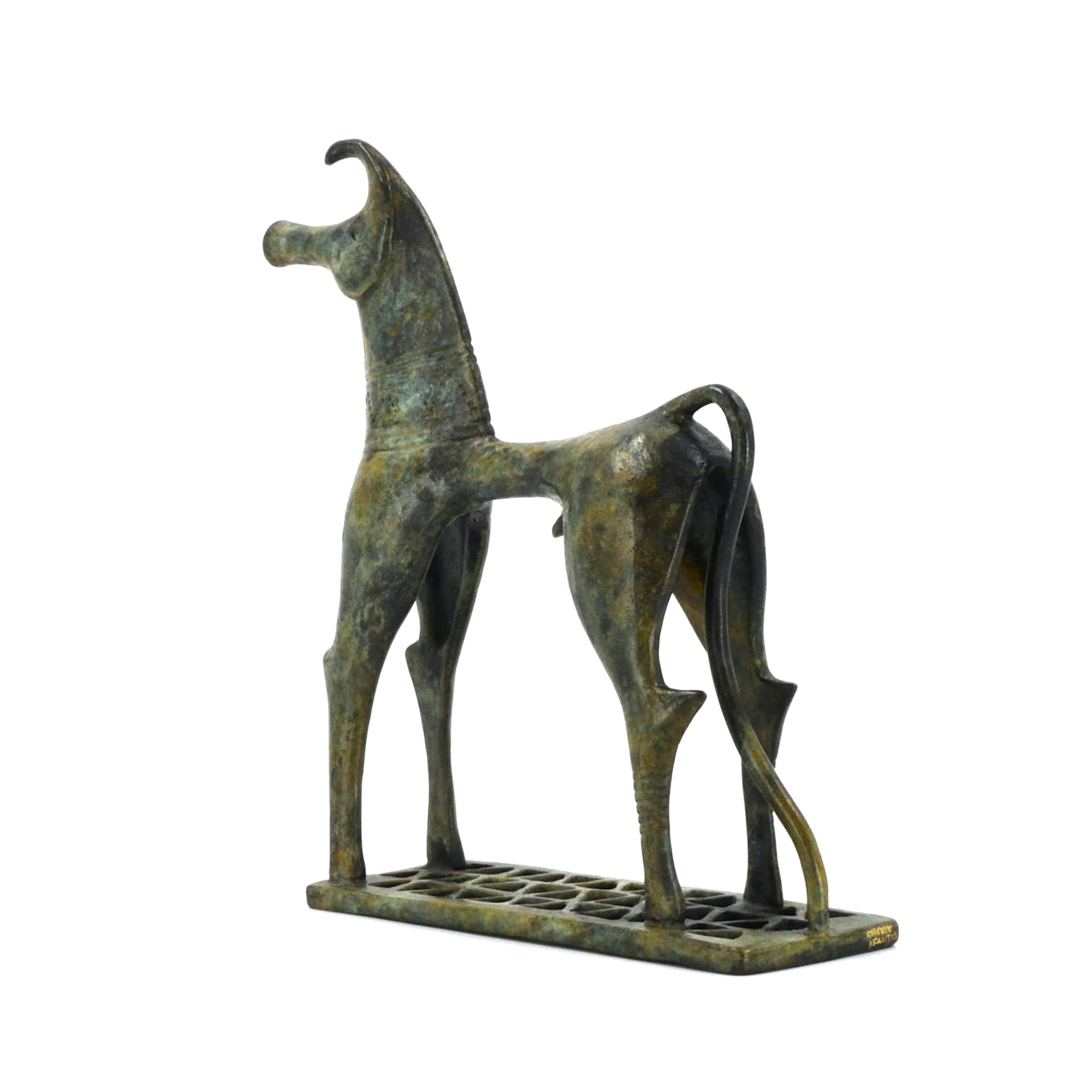
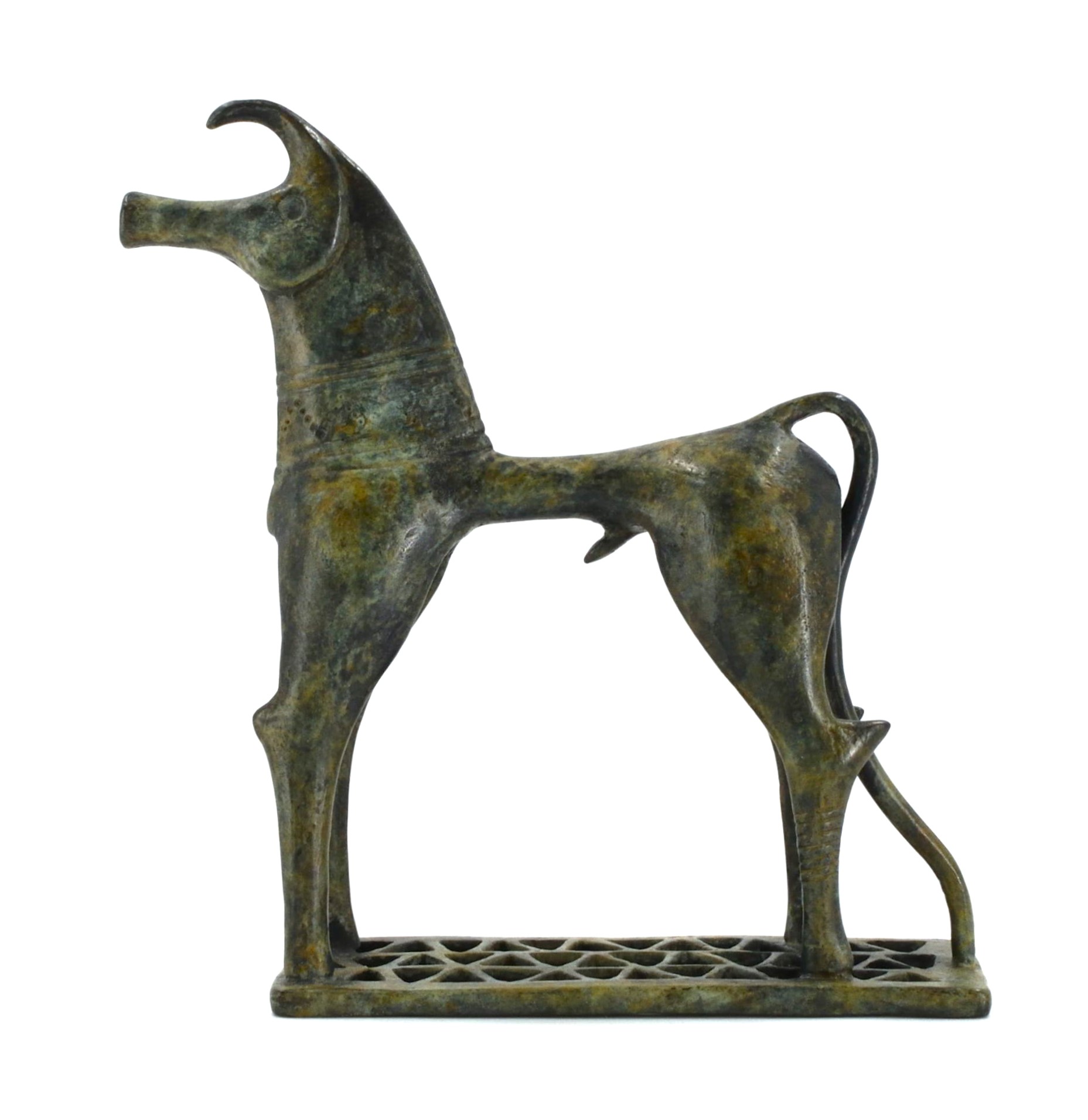
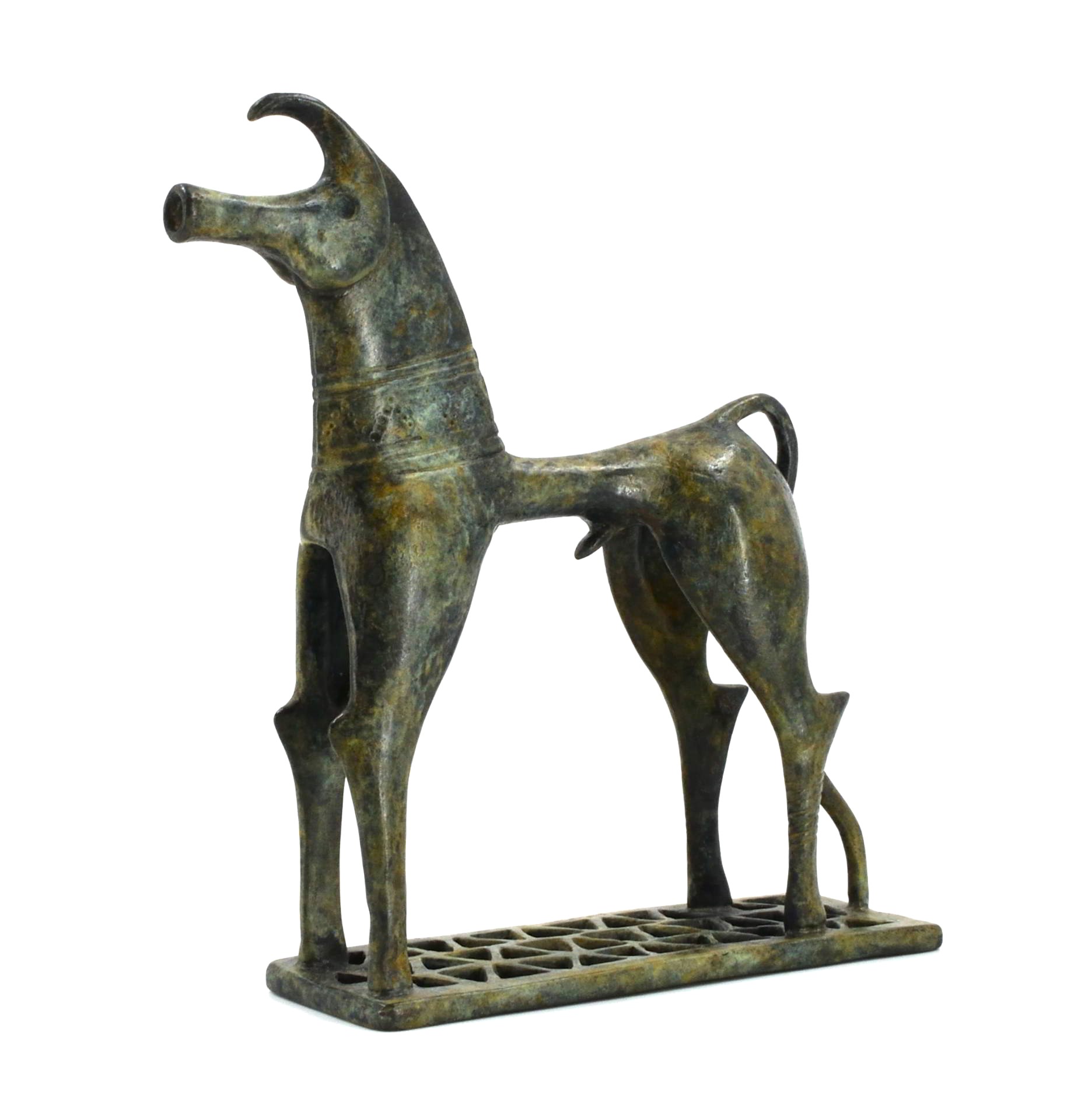
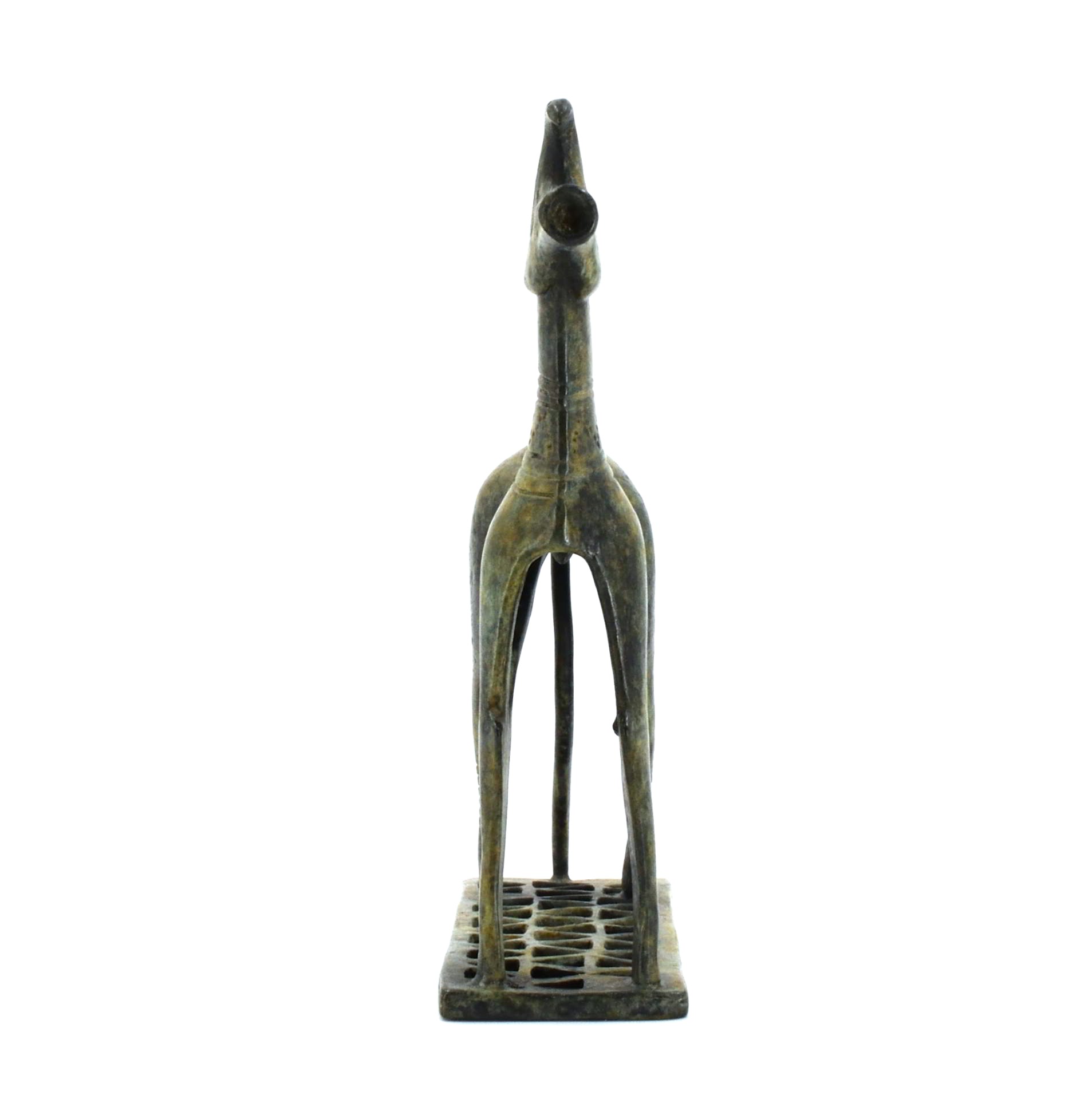
A stylized horse figure inspired by Geometric Greek votive offerings dedicated at major sanctuaries of antiquity.
Rapid, trackable and secure delivery options to your doorstep worldwide.
Secure redirect payment via Worldline® and Eurobank S.A®
Payment options:
• Easy and simple, within 14 days of delivery.
• See conditions and procedure in Rescission & Returns.
This replica is inspired by the Geometric Horse Figurine, a well-known type of votive sculpture originating in ancient Greece during the Geometric period, circa 900–700 BCE. Examples of this form are famously associated with the sanctuary of Zeus at Olympia, where horse figurines were offered by worshippers as acts of devotion and displays of prestige.
In early Greek society, the horse symbolized wealth, power, and aristocratic identity, as only the elite could afford to breed and maintain them. Geometric artists rendered horses in highly abstracted forms—elongated legs, angular bodies, and simplified heads—emphasizing symbolic presence over realism. These figures were not toys or decorations, but sacred objects placed in temples and open-air sanctuaries.
Such figurines were produced across mainland Greece, particularly in the Peloponnese and central regions, and were used in religious contexts to honor the gods, especially Zeus. They represent some of the earliest large-scale expressions of Greek sculptural tradition and religious practice.
SIZE: 15 cm
MATERIAL: bronze
PATINA: rust green oxidatiom
METHOD: sand cast