800,00 €
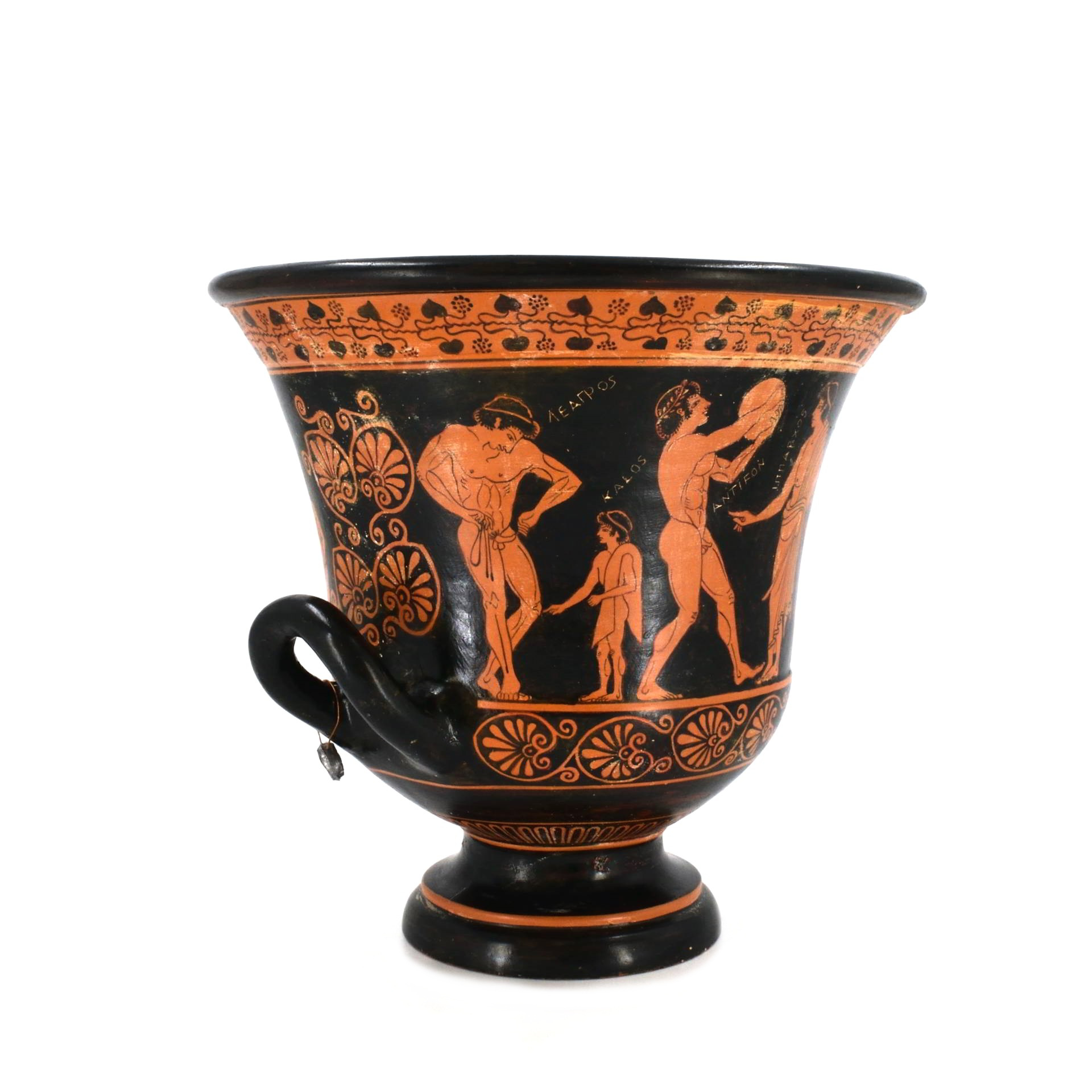
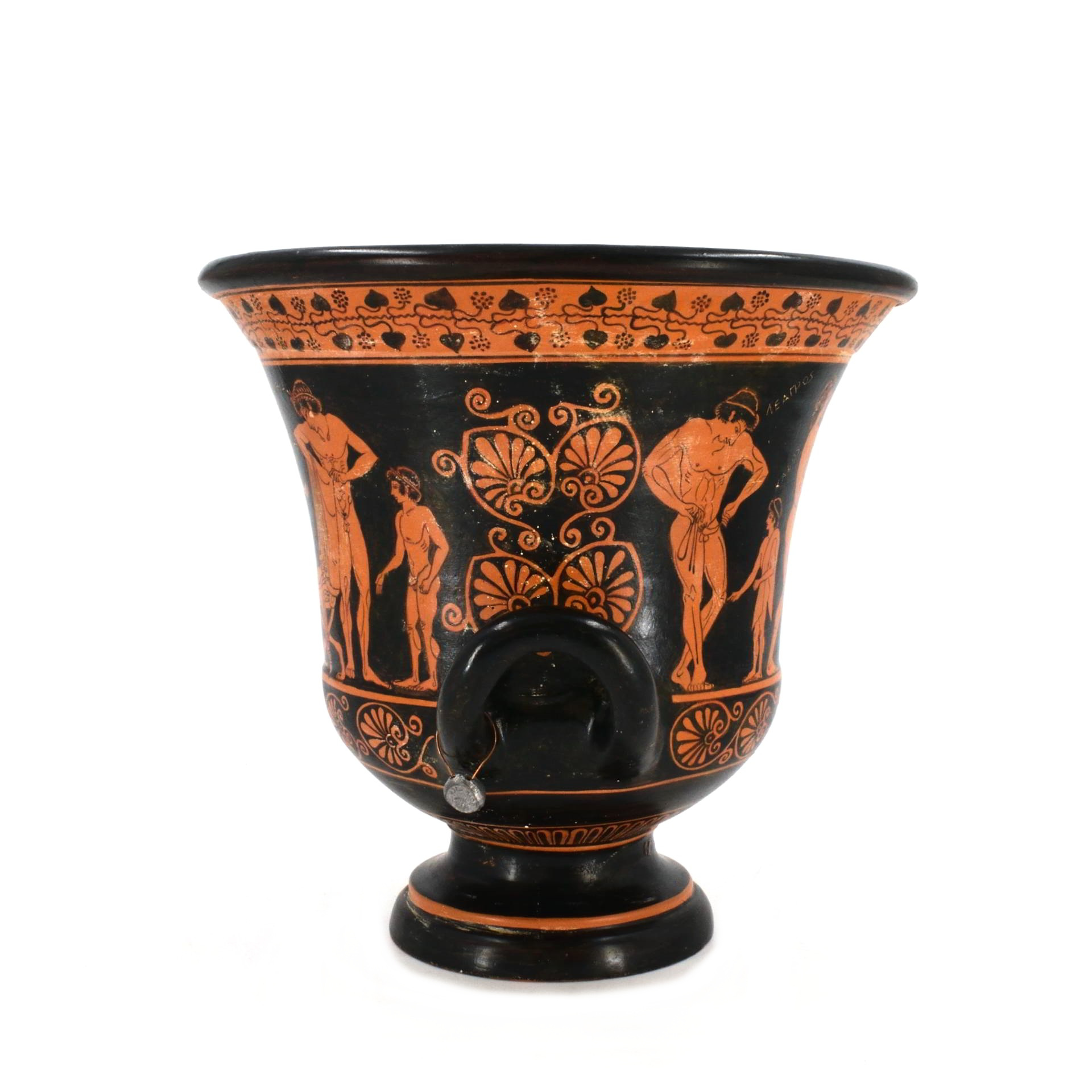
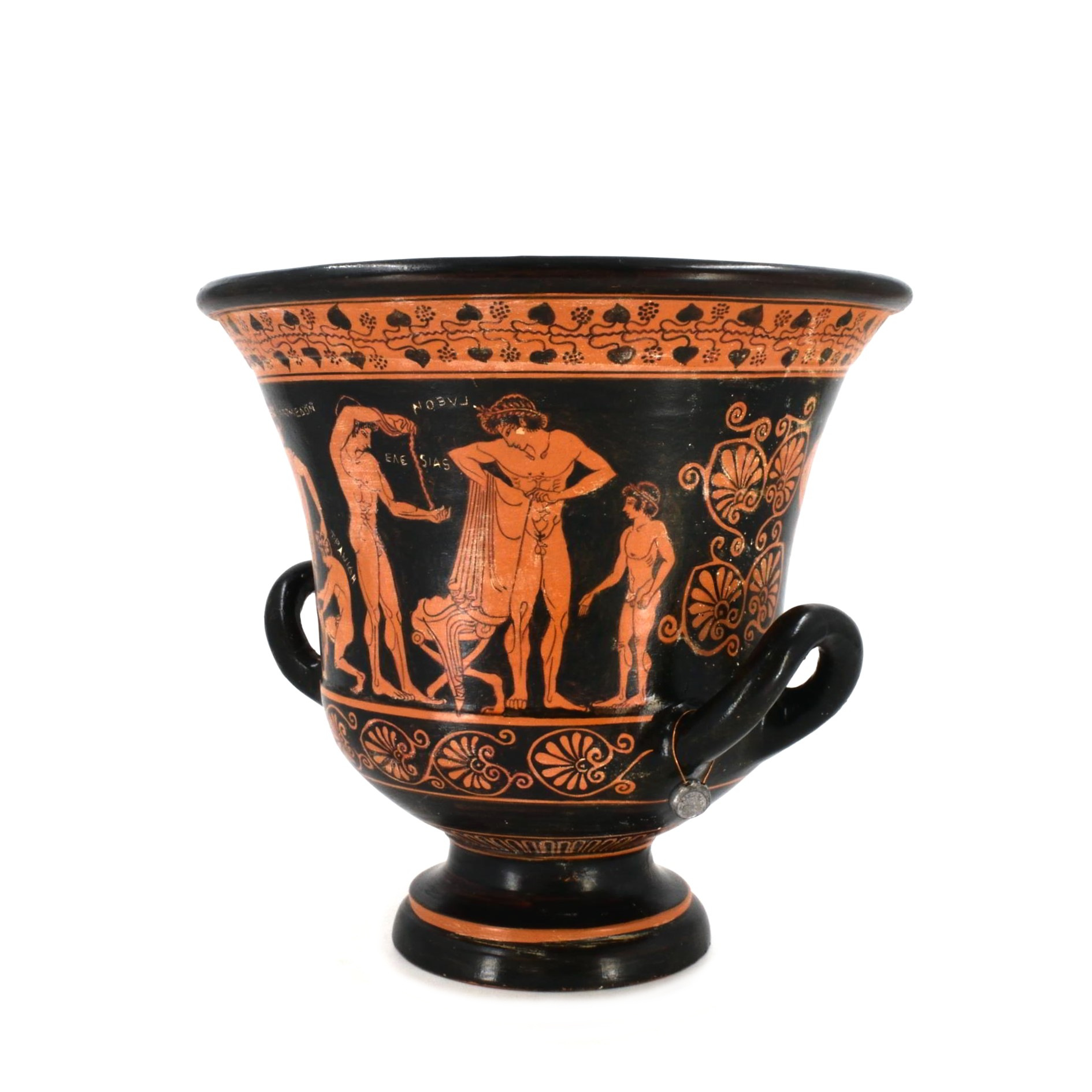
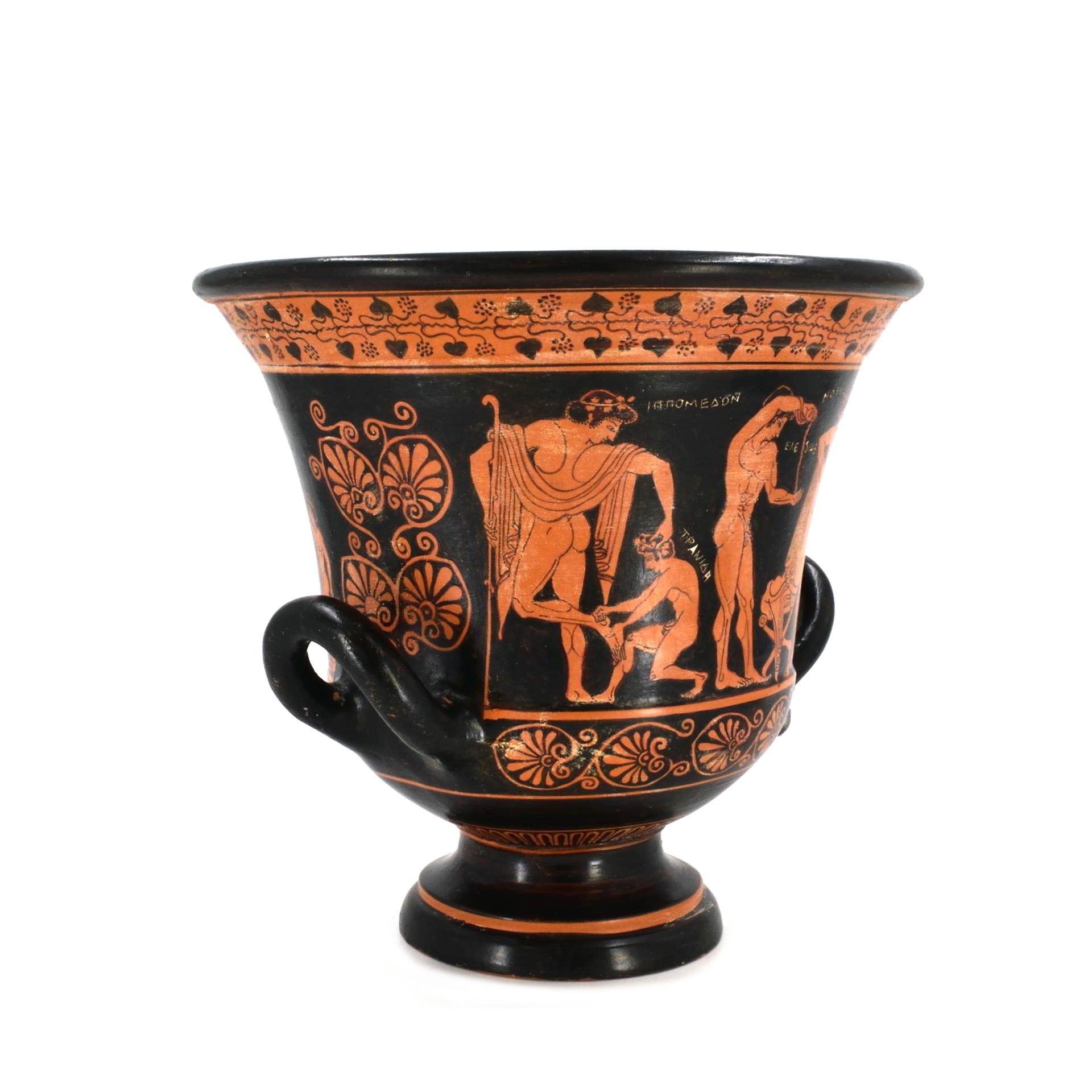
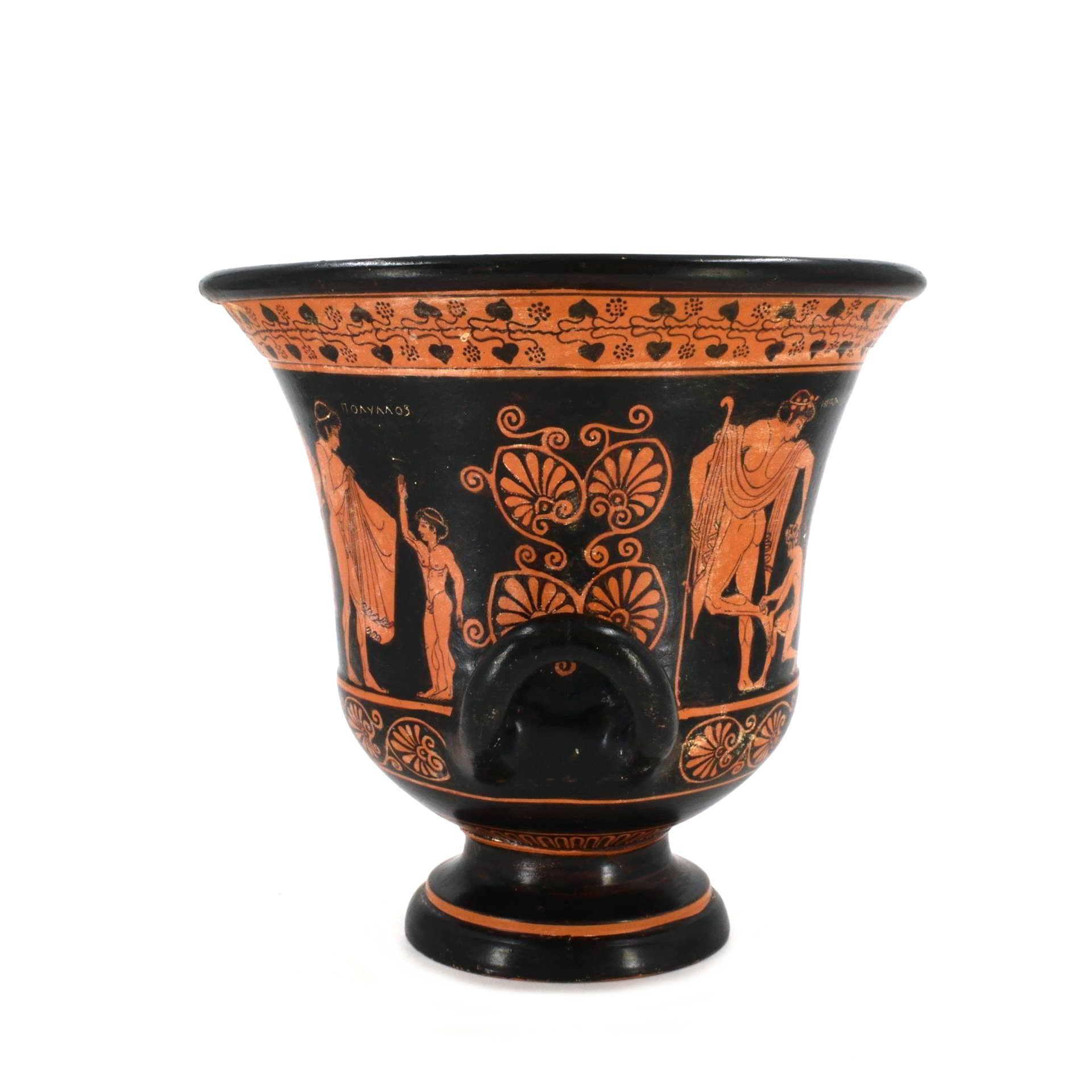
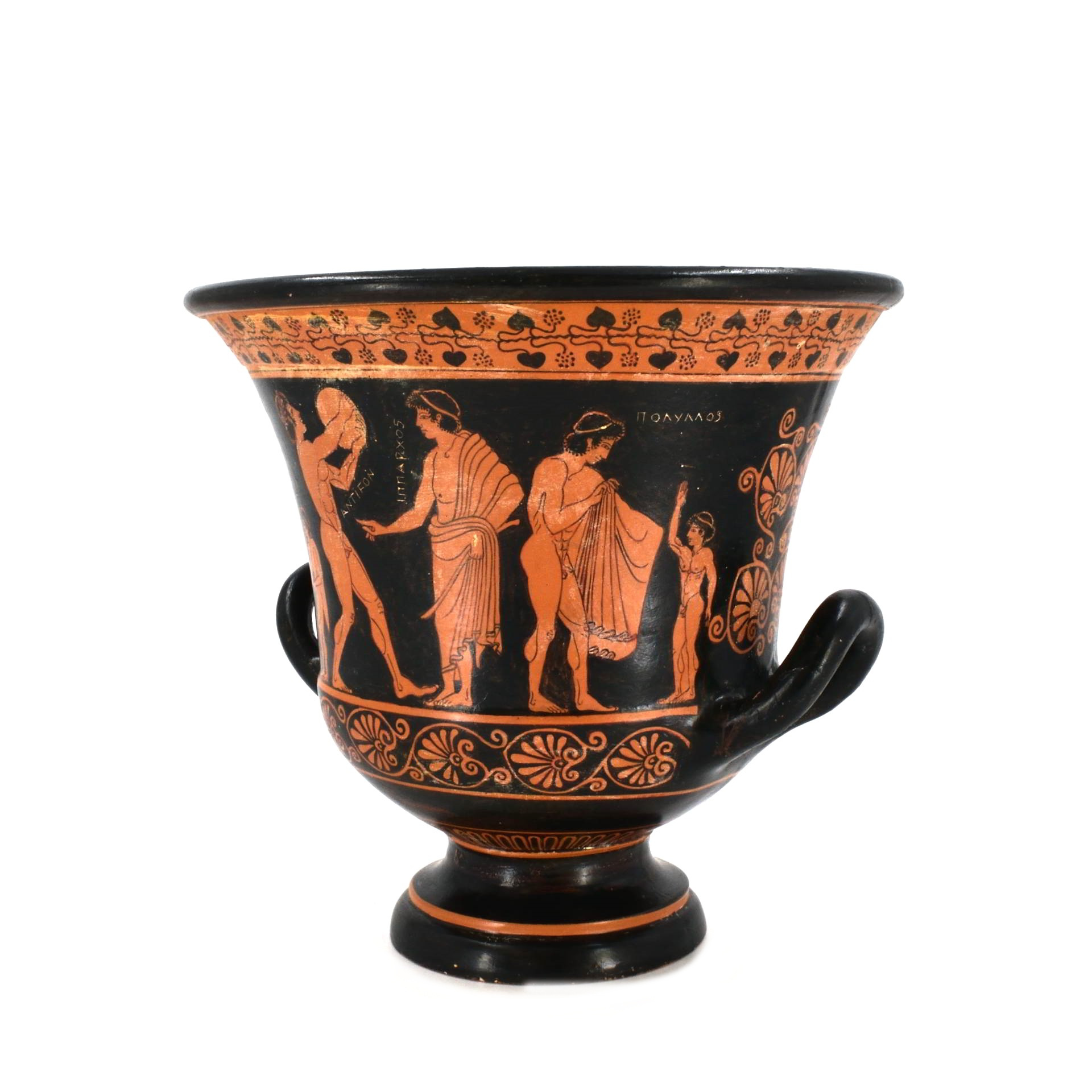
Replica of a Late Archaic Athenian red-figure amphora (c. 510–500 BCE) attributed to the painter Euthymides, depicting athletes training with a discus and their instructor, based on the original preserved in the Staatliche Antikensammlungen, Munich.
Read moreRapid, trackable and secure delivery options to your doorstep worldwide.
Secure redirect payment via Worldline® and Eurobank S.A®
Payment options:
• Easy and simple, within 14 days of delivery.
• See conditions and procedure in Rescission & Returns.
This replica is inspired by a celebrated Attic red-figure amphora created around 510–500 BCE by the Athenian vase painter Euthymides, one of the pioneers of the red-figure technique in ancient Greek pottery. The original vessel, produced in Athens during the Late Archaic period and now housed in the Staatliche Antikensammlungen in Munich, illustrates scenes from the world of Greek athletics.
On one side of the amphora, two youthful athletes prepare for competition while a bearded trainer observes them. One figure lifts a discus in preparation for a throw, capturing a moment of concentration before the event. Greek inscriptions identify the figures—names such as Phaullos, Pentathlos, and Orsimenes—offering rare insight into the culture of the gymnasium and the celebration of athletic excellence in ancient Greece.
Amphorae of this type were widely used across the Greek world for storing and transporting goods such as wine or oil, while their painted scenes served as a visual record of everyday life, mythology, and athletic traditions. The work reflects the innovation of the Pioneer Group of Athenian artists, known for experimenting with movement, anatomy, and dynamic poses.
SIZE: 24 cm
MATERIAL: ceramic
PATINA: attic – red figure
METHOD: sand cast